

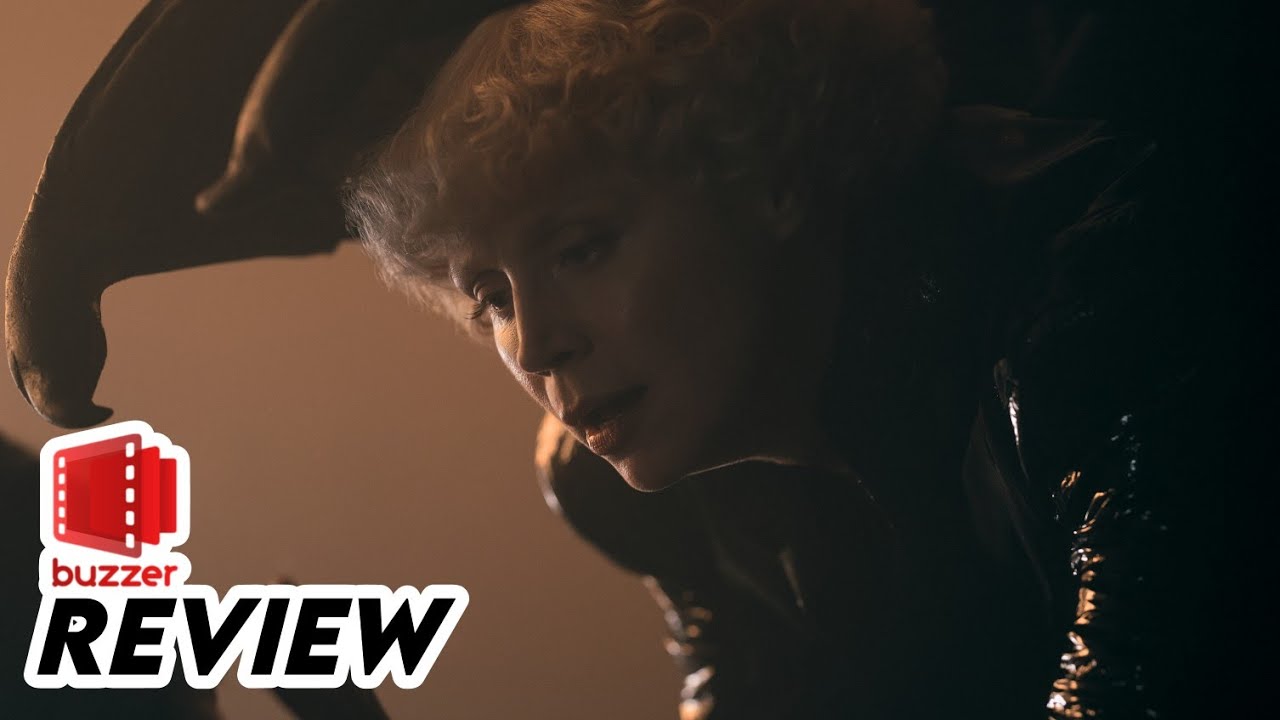
This review covers the first six episodes
I am reviewing Volume 1 of the second season, released on 3 July 2025. Dream tries to restore his realm and confront earlier decisions. His family and history provide strong starting points. The opening episodes nevertheless often feel like an extended introduction. Extensive mythology and dialogue do not yet produce action with urgency.
Dream needs cracks in his composure
Tom Sturridge remains exceptionally controlled as Morpheus. That stoicism suits the character but complicates the emotional connection. When the relationship with Orpheus becomes more personal, I finally see the wound beneath the façade. Ruairi O’Connor is therefore an important addition. I wanted more such moments rather than experiencing Dream primarily as a concept.
The world and supporting characters convince
The Dreaming, Hell and the spaces inhabited by the Endless are impressively designed. The series feels fantastical without overwhelming me with arbitrary effects. Gwendoline Christie retains considerable presence as Lucifer. Esmé Creed-Miles brings Delirium’s chaotic energy, while Mason Alexander Park creates subtle tension as Desire. Kirby Howell-Baptiste’s Death has little space but remains emotionally important.
Major themes need more than discussion
Guilt, reconciliation and responsibility are interesting questions for the season. It often discusses them without giving the conflicts enough dramatic development. That limits Volume 1’s effect: I recognise the foundation but wait too long for a story that moves beyond preparation.
Verdict
Volume 1 is an elegant fantasy continuation with strong images and some convincing character moments. Dramatically, it remains uneven. Viewers who enjoy atmosphere and mythology will find plenty of interest; those seeking pace and completed developments need patience. This assessment concerns the first six episodes, not the complete second season.