

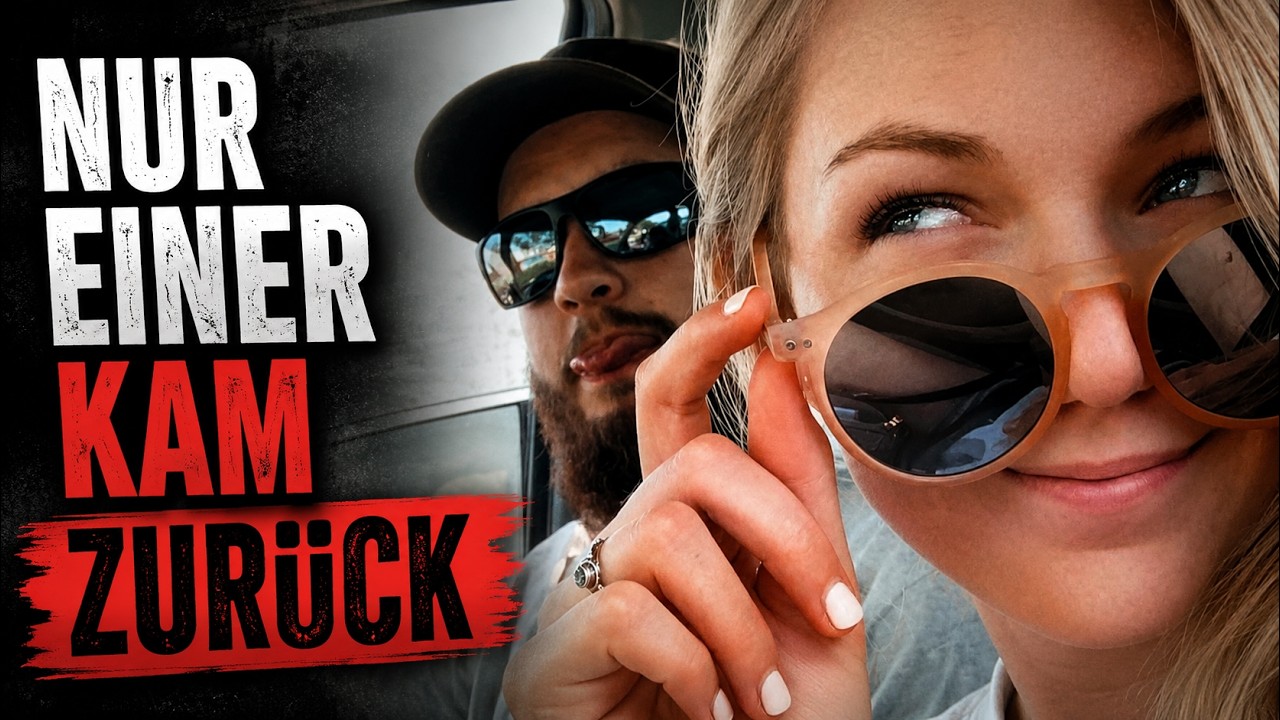
American Murder: Gabby Petito connects a tragic case with questions about social media, abusive relationships and public attention. Its three episodes are affecting, even while some choices remain troubling.
Archive footage, posts and interviews build the account. Gabby's own travel videos are especially difficult to watch: an image of adventure and freedom increasingly clashes with the reality described around it. The distance between a polished public life and private distress becomes central. These are videos of the journey with her fiancé Brian Laundrie. As they accumulate, I increasingly get the impression that she is reassuring her followers rather than expressing how she really feels.
The police body-camera material is particularly disturbing in retrospect. It shows how a situation can be interpreted while a much darker pattern goes unrecognized. The documentary makes those missed signals painful without needing to invent extra drama. In the Utah footage from August 12, 2021, Gabby is visibly distressed while Brian stays calm and presents himself as the wronged party in an argument. Knowing the eventual outcome makes the contrast especially hard to bear. For me, the scene shows how manipulation and gaslighting can be missed even by people trained to recognise troubling situations.
It also asks why this disappearance attracted extraordinary attention while many other missing women do not. Rather than closing that question with a neat answer, it invites reflection on the media mechanisms surrounding the case.
The AI-recreated voice used for diary entries and messages leaves me conflicted. Even with family approval, the technique can feel less like closeness than a disturbing reconstruction. Its prominence raises an ethical question the emotional storytelling cannot simply resolve.
For me, this is a powerful, oppressive documentary that puts familiar material into a thought-provoking frame. It is difficult viewing and leaves questions open, including questions about its own methods. Its importance lies in considering how violence can remain hidden and how society responds when it comes into view, while allowing the unresolved ethical questions to remain uncomfortable.