

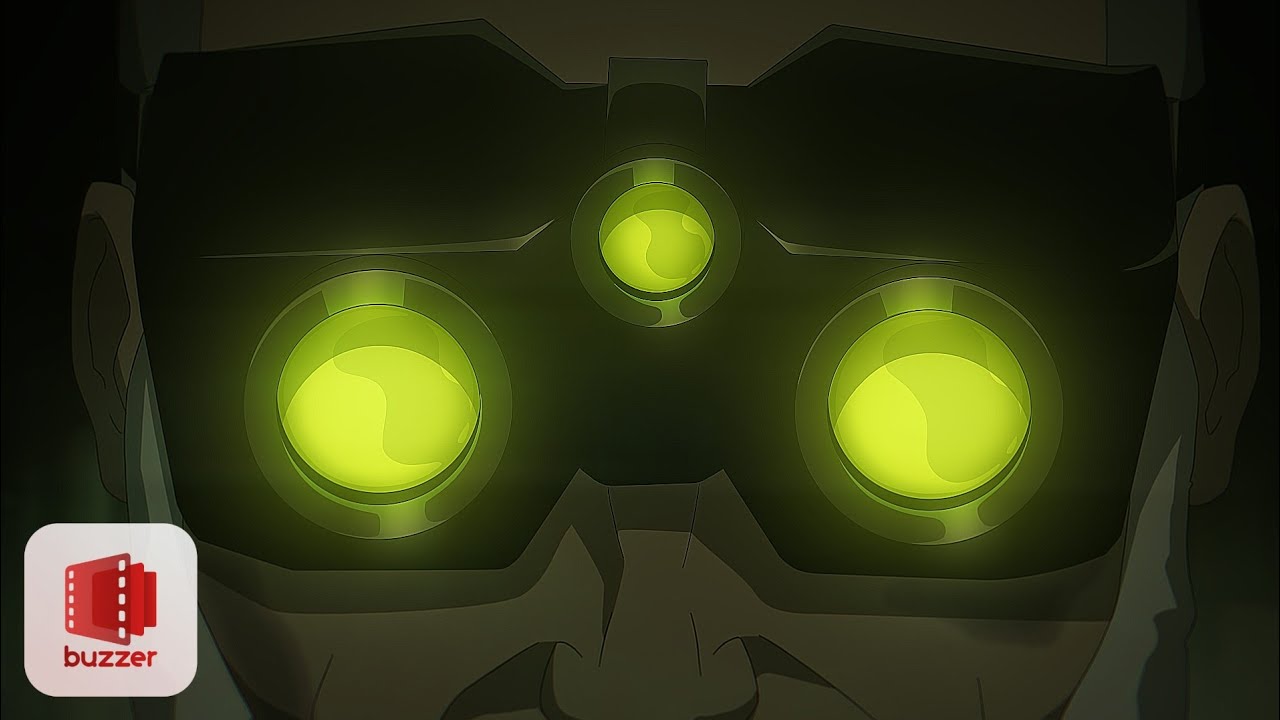
Splinter Cell: Deathwatch is an animated series adaptation that tries to bring the legendary stealth-game universe into serialized form—with mixed results.
Sam Fisher is back—not the cold, sharp elite operative from the franchise’s glory days, but an older, more reflective warrior forced to return to the shadows. This isn’t an origin story, it’s more of a swan song—a look back through the night vision goggles of a man who’s seen too much. And honestly, that works surprisingly well. The character has weight now, feels grounded, more vulnerable than before. Sure, there’s action, but it’s no longer the main attraction. Instead, there’s a quiet undertone of regret and weariness—something I didn’t expect, but really appreciated.
Liev Schreiber’s voice as Sam Fisher brings exactly what’s needed: gravity, calm, that seasoned sarcasm that doesn’t try to be cool, but feels earned. The chemistry with his young partner, Zinnia McKenna, carries the show for long stretches. She’s impulsive, intense, but not annoying—more like the emotional center Fisher lost a long time ago. It’s compelling to watch how they balance each other out. But not everything clicks.
What the show lacks is the courage to let things breathe. Too often, scenes are over-explained, over-written, where silence and tension would’ve been enough. There are episodes where the plot trips over itself, feeling like it’s rushing to deliver the next twist instead of letting the story unfold naturally.
Then there’s the animation. Is it stylish? Sure—at times. There’s a dark color palette, sharp contrast, clean choreography. But often, it feels a little too polished—faces can look expressionless, movements lack weight. Especially during hand-to-hand fights, I missed that physical impact that makes, say, John Wick’s action sequences hit so hard. You rarely feel like a punch hurts.
And here’s probably the biggest issue: the loss of that iconic stealth atmosphere. Splinter Cell has always been about shadows, patience, and tactical movement. The series leans way too hard into quick action. It’s entertaining, no doubt—but it’s just not Splinter Cell in the traditional sense. Hardcore fans of the games might feel a bit betrayed.
Still, the show gets a lot right. It’s ambitious, it takes itself seriously, and it’s not just another dumb shoot-em-up spy story—it actually has character. I’d say it lands squarely around a 6 to 6.5 out of 10. It’s not essential viewing, but it’s definitely not a misfire either. If you go in with the right expectations, you’ll get a solid, moody espionage ride led by a protagonist who may be older—but hasn’t lost his edge.