

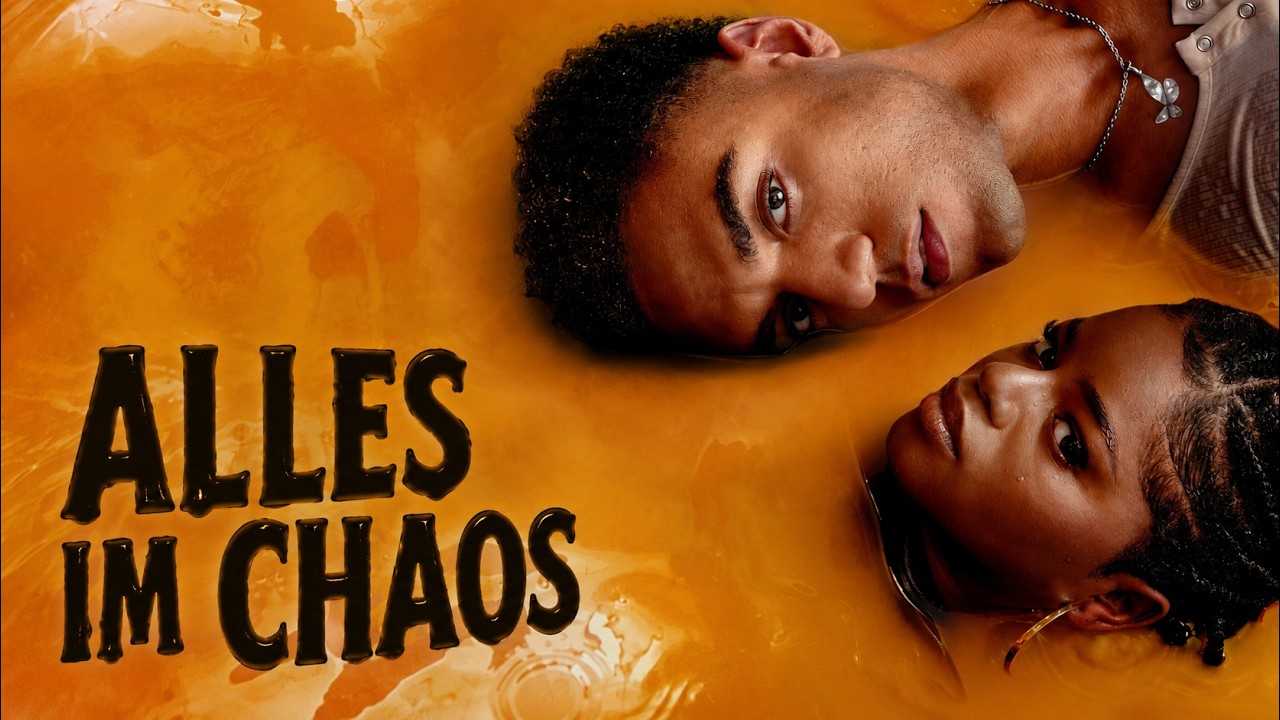
Black Fruit follows Lalo as loss and uncertainty push him to reconsider his life. His studies and relationship no longer provide stability. His turn towards Hamburg's art scene reflects his inner conflict: art becomes a way to define himself and question social expectations. His friendship with Karla is the emotional centre of this dramedy about the experiences of Black and queer people.
Lamin Leroy Gibba, who developed the series and plays Lalo, gives a particularly strong performance. The character's emotional disorientation feels immediate rather than merely explained. Melodie Simina gives Karla equal weight, especially in the tensions around her work.
Their relationship holds the different concerns together. Grief, discrimination and the search for direction remain connected to people who can also be funny, difficult and recognisable. The series moves effectively between humour and emotionally charged moments.
Hamburg appears in fresh, lively images. The urban locations provide more than a backdrop, helping the characters' world feel specific. The visual style and music support their changing feelings without making the production seem detached from them.
The approach to identity is honest and courageous. A particular strength is the team, made up largely of Black, queer and female filmmakers both in front of and behind the camera. For me, that contributes to the authenticity, depth and sensitivity with which these experiences are told.
Black Fruit is an important contribution to German television, setting new standards for diversity and inclusion. Its performances, lively setting and the emotional substance of Lalo and Karla's friendship give those concerns their weight. For me, it has the potential to become a milestone in German television history.