

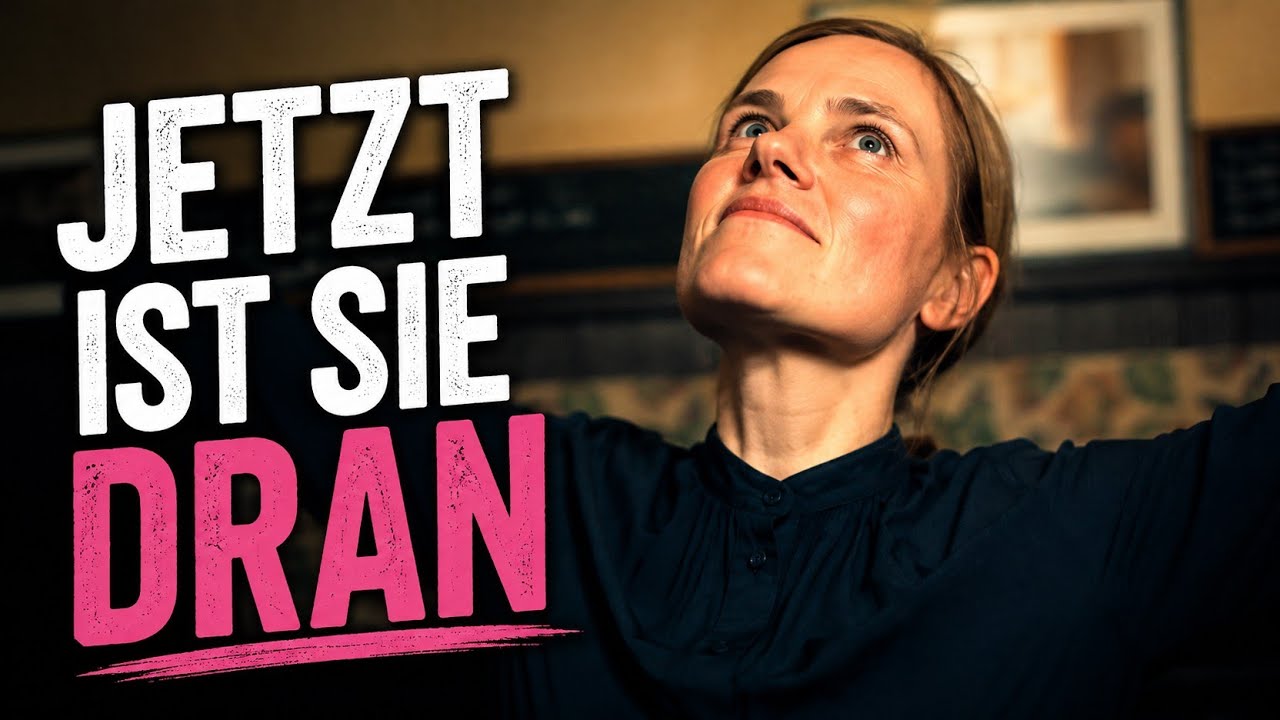
Starting again without instructions
Wilma loses her job and the stability of her relationship. In Vienna, the technically trained East German woman looks for another future. Shared accommodation and professional encounters introduce her to people whose ideas of life differ from her own. Maren-Kea Freese uses these frictions for a portrait that takes its central character seriously.
The story closely observes how practical skills and experience can be devalued by formal expectations. Interviews gain tension without requiring large external events. Wilma’s search also becomes an exploration of social recognition.
Dignity and dry humour
Fritzi Haberlandt gives Wilma pride and vulnerability without allowing her to disappear into self-pity. Her stoic manner carries many scenes. Dry humour arises from different assumptions about living and working. The characters are not reduced to opposing caricatures.
The episodic structure accommodates several stages of this new beginning. Camerawork and sound mostly remain restrained. Some surreal images feel more constructed and do not have the force of the closely observed everyday situations.
Verdict
Wilma Wants More is a worthwhile portrait of a woman refusing to accept her assigned place. Haberlandt’s performance and the film’s humane precision are its strongest qualities. Not every stylistic idea succeeds equally, but vulnerability and humour combine in an engaging, distinctive way.