

A fictional case that feels real
What makes a horror film feel real? Sometimes, it's the calm voice explaining the case before anything frightening happens. Hunting Matthew Nichols is a Canadian horror mockumentary that reached Shudder on October 31, 2026. Its missing-person case is fictional. The hook is how convincingly it borrows the language of true crime.
Tara returns to the disappearance
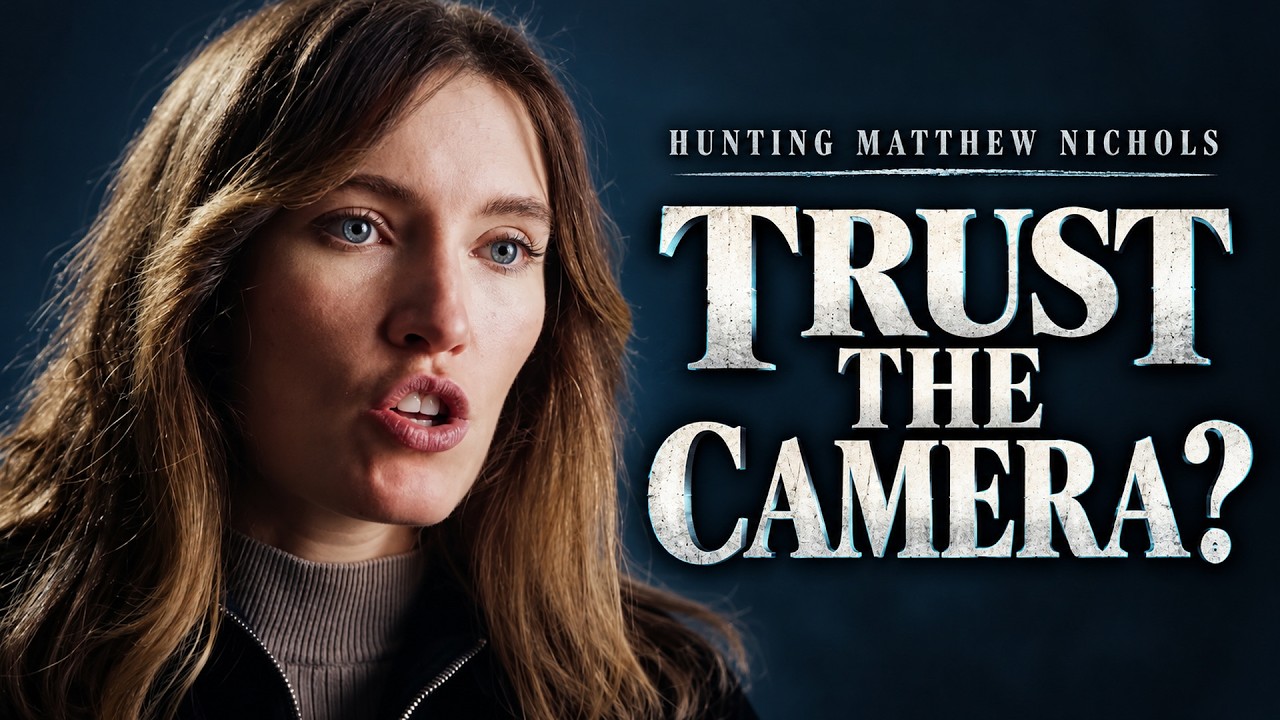
Miranda MacDougall plays Tara Nichols. More than 20 years after her brother and his friend disappeared on Vancouver Island, she returns with a documentary crew. Director Markian Tarasiuk plays a version of himself. They sift through evidence and interview people connected to the case. Tara wants answers. She also wants a way back to the brother she lost.
The documentary looks reassuring
The film's best idea is to make that investigation look almost reassuring. Clean interviews. Carefully assembled archive material. Quiet stretches of forest. The camera can sit still and let people talk. The polished format gives the story authority, then asks how easily that authority can pull us along. Even the black-and-white animation has a job beyond dumping lore. It makes the film feel like a documentary with money, research and an editor. That credibility is its strongest special effect.
Grief keeps the search moving
Tara gives the setup a human reason to exist. Her grief isn't just background information before the scary part. It helps explain why another clue can become impossible to leave alone. The investigation offers the promise of closure. That promise can also keep her trapped in the search.
Credibility is not momentum
But credibility and momentum are different things. At 89 minutes, this still asks for patience. There are long stretches of explanation, and the case doesn't always move forward enough to match the atmosphere. If you need a steady stream of discoveries, the careful setup may feel like waiting around. The Blair Witch Project is an open influence, even part of the characters' world. That honesty is welcome.
What the image withholds
It also raises a difficult comparison. Familiar woods and old recordings need more than recognition to become frightening again. The smartest suspense comes from withholding. Let a face react. Let the sound suggest something the picture won't confirm. Your imagination starts working ahead of the camera. Showing more later creates a harder task: the film has to compete with the version already forming in your head. That's where the response splits. Some reviewers find the late burst of found-footage horror worth the slow build. Others find it too familiar, or less convincing than the documentary that came before it. Both reactions point to the same pressure: a lot depends on a very short final stretch.
Why does the camera keep recording?
That shift also puts the camera under scrutiny. A planned interview has an obvious reason to be filmed. Once the crew moves beyond that controlled setup, the question becomes tougher: why keep recording? The film doesn't convince every reviewer that its footage still follows the rules it established. The more carefully it sells realism, the more those practical questions matter.
Verdict
The stronger reason to try Hunting Matthew Nichols is its true-crime illusion and the grief underneath it. Expect a patient investigation with horror concentrated near the end. The unsettling question is how long we keep following a story simply because it promises an answer.