

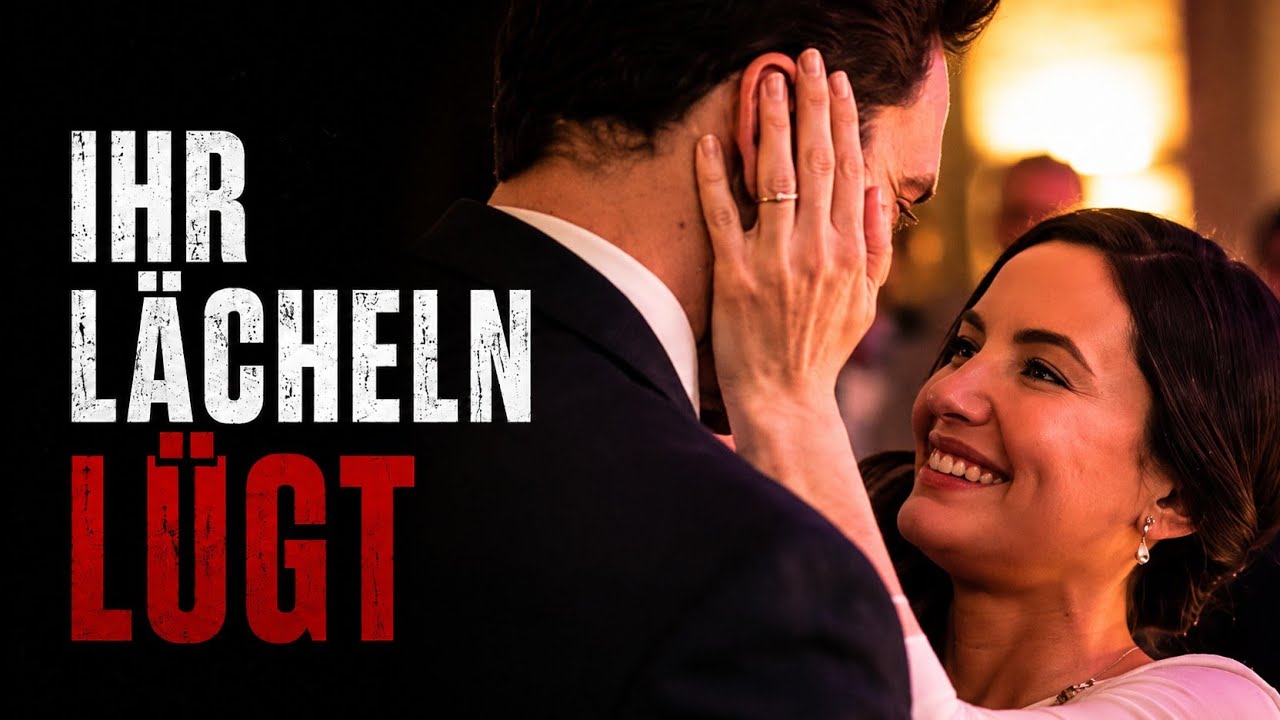
A Widow's Game dramatises a Spanish murder case rather than presenting it as a documentary. Its strength lies in the unease behind apparently ordinary behaviour. Carlos Sedes keeps the telling calm, allowing manipulation and uncertainty to emerge through the people.
Ivana Baquero makes Maje difficult to read. Affection, calculation and fragility coexist instead of forming a neatly explained villain. Her smile often seems to hide something, and that ambiguity holds my attention.
Tristán Ulloa gives Salva a painful mixture of attachment and guilt. The film is more interested in showing the characters' contradictions than delivering a single explanation for them. Their emotional dependence gives the criminal story its psychological force.
Carmen Machi's investigator supplies useful restraint and grounding. Observation and analysis matter more than an exaggerated police persona. She keeps the inquiry connected to the crime amid the unstable relationships.
The direction avoids sensational overload. Clear images, quiet camerawork and measured dialogue make the familiar true-crime structure effective. There are no radical formal inventions, but the film does not need them to maintain its intimate suspense.
I appreciate that it does not rely entirely on the shock of the case. It builds a chamber drama out of manipulation, fascination and disbelief. This is neither fast nor deafening, but it is intense. For viewers drawn to thoughtful crime dramatisations, the quiet pressure is the main reason to watch.
Spoilers: detailed discussionContains story spoilers. Open deliberately.
The crime and Salva’s role
The film draws on the 2017 Spanish case of nurse María Jesús Moreno Cantó, known as Maje, who lures her husband into a trap so that her lover can stab him. Tristán Ulloa plays Salva, the lover who carries out the murder.
Love, guilt and dependence pull Salva in different directions. Ulloa makes that conflict compelling because the film shows his contradictions without reducing them to a single explanation. That tension is a major part of the story’s psychological force.