

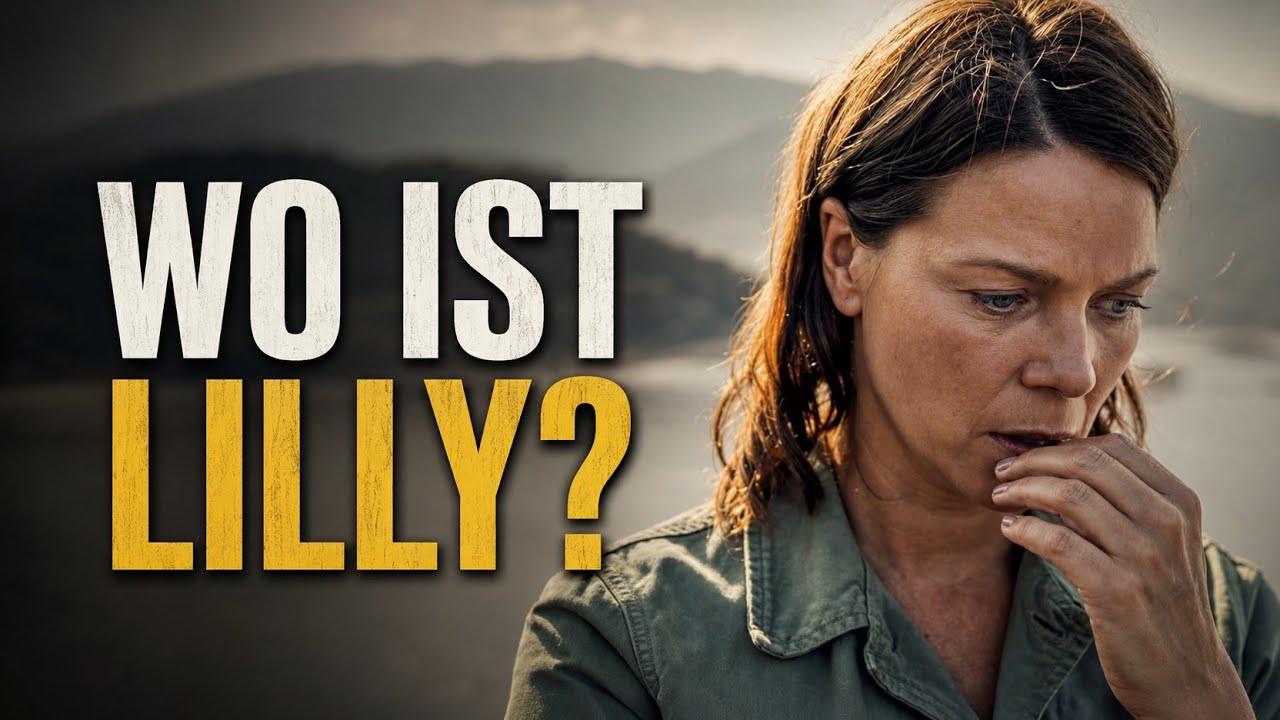
Lillys Verschwinden follows parents whose child disappears during a Mallorca holiday. The two-part thriller is strongest when their desperate search becomes entangled with suspicion and hostile public attention. How do people cope when they are treated as both victims and possible perpetrators?
Thomas Berger keeps the story close to that emotional pressure. The holiday landscape becomes an oppressive trap rather than a pleasant background. Images and threatening music give the situation a convincing atmosphere of unease.
Jessica Schwarz supplies the most powerful performance, making the mother's fear, pain and resistance tangible. Heino Ferch is less affecting in some of the more intense exchanges. Andreas Lust adds an interesting ambiguity as an apparently helpful neighbour.
The length works against the drama. Several side plots could be reduced, particularly the journalist's involvement, while the investigators sometimes fall into familiar good-cop and bad-cop patterns. The central situation needs less additional machinery than the script provides.
The resemblance to the Madeleine McCann case also raises an uncomfortable question for me about fictionalising recognisable suffering. That is my comparison, rather than a claim that this is a direct account of the case.
It remains an involving thriller about guilt, public judgement and the desire for answers. Stronger focus and less predictable supporting material could have turned a solid drama into something more exceptional. Schwarz and the oppressive atmosphere are the principal reasons to stay with it.