

The threat has room to hide
A scream points to the danger. A quiet room asks you to find it. That is the difference at the heart of quiet horror: silence does not simply reduce the volume of a scare. It changes where your attention goes. Leave a doorway in view, introduce a sound with no obvious source, and an ordinary shot becomes difficult to read. The eye checks the background while the ear waits for another clue. The film may show nothing new at all, yet the room no longer feels neutral.
The Autopsy of Jane Doe builds its unease around a father and son at work. Their workplace first has a practical shape: there are tasks to perform and a sense of how the room should function. That familiarity is crucial. A dark corner only becomes disturbing when the viewer has some idea of what ought to be there. Director André Øvredal has described changing the direction of sound between shots to unsettle an audience. The room remains recognisable, but its usual bearings become unreliable. You listen for a change before you can say what changed.
The frame gives you a second task
An image can put you to work in the same way. Hold a character in a wide shot with too much empty space behind them and the eye slips away from the face. A doorway becomes a place to inspect. A quick cut would release the pressure, but staying with the shot lets possibility accumulate. Nothing needs to cross the threshold. The threat is that something might, and the film gives you time to imagine exactly where it would appear.
A close-up directs attention to a face. A wider shot makes you compare that face with the space around it. Add a sound from beyond the frame and neither part of the image can confirm its source. Now you search in two directions at once. What you hear makes the visible room less trustworthy, and what you see offers no clean answer to the sound.
Pulse removes a familiar guide
In Kiyoshi Kurosawa's 2001 film Pulse, familiar background sound can fall away. The image remains, but something that helped make its space readable has vanished. This is why silence can feel active rather than empty. It draws attention to an absence. You do not suddenly know where danger is; one of the usual ways of locating it has stopped working.
Silence and an open frame reinforce each other. With less help from the soundtrack, you inspect the picture harder. An apparently vacant room can feel occupied because the film refuses to settle what deserves attention. The suspense comes from that unresolved search, not from a promise that a figure must leap into view. A sound might return, the background might shift, or the scene might end while the uncertainty remains.
Rules make a house fragile
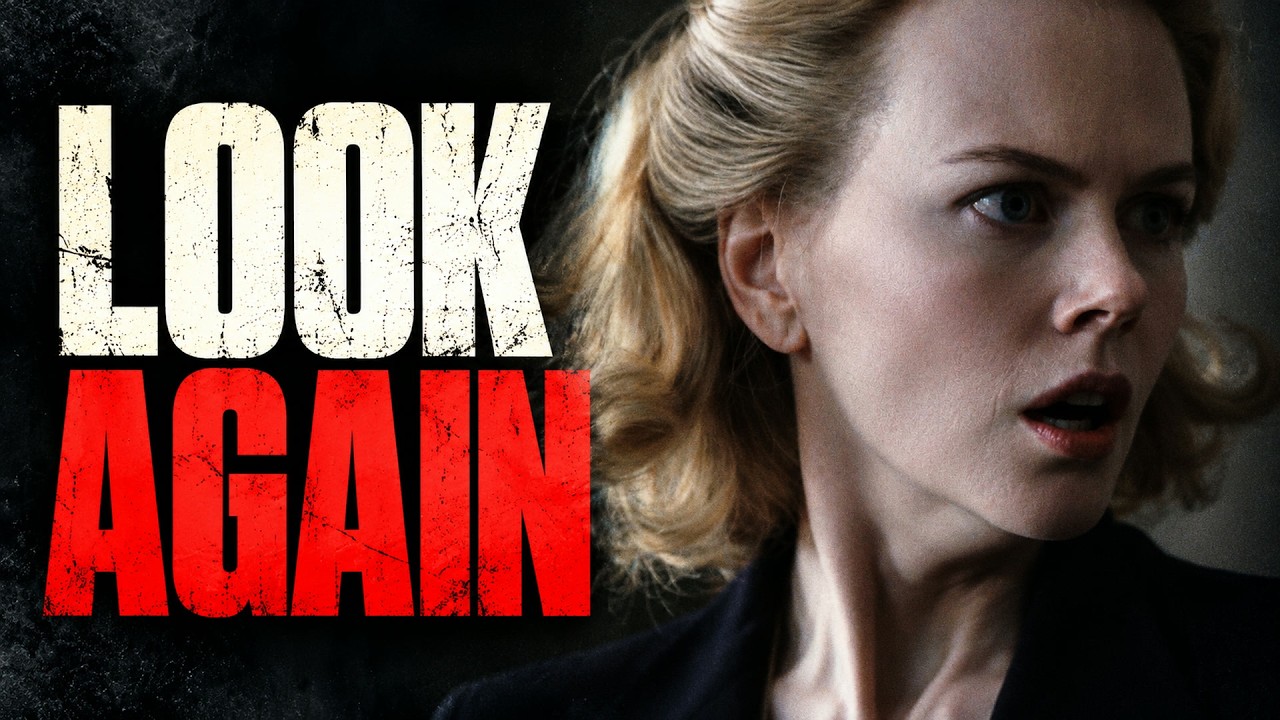
The Others takes a different route through dim rooms, limited light and a household arranged around rules. Nicole Kidman's mother tries to keep that world under control. The unease grows from the possibility that the house will not obey the order she expects. Its rooms are part of the dramatic problem, not decorative gloom. Restricted light limits what a person can check; rules give any small breach a meaning.
Slow pacing alone cannot produce that effect. Waiting needs a reason: a new sound, a changed reaction, a detail that no longer fits. The question has to develop even when the camera barely moves. Jump scares are not automatically cheap either. A sudden shock can pay off tension. What weakens a scene is repeatedly trading that tension for volume, then leaving nothing to think about once the noise stops.
The scare that stays
The strongest quiet horror leaves its question hanging after the moment passes. What was in that space? What changed? Why does the same room feel different now? The Autopsy of Jane Doe, Pulse and The Others approach that discomfort from different directions, but all make you participate in the search. The scare is not only an arrival inside the frame. It is the expectation the film builds before anything arrives.