

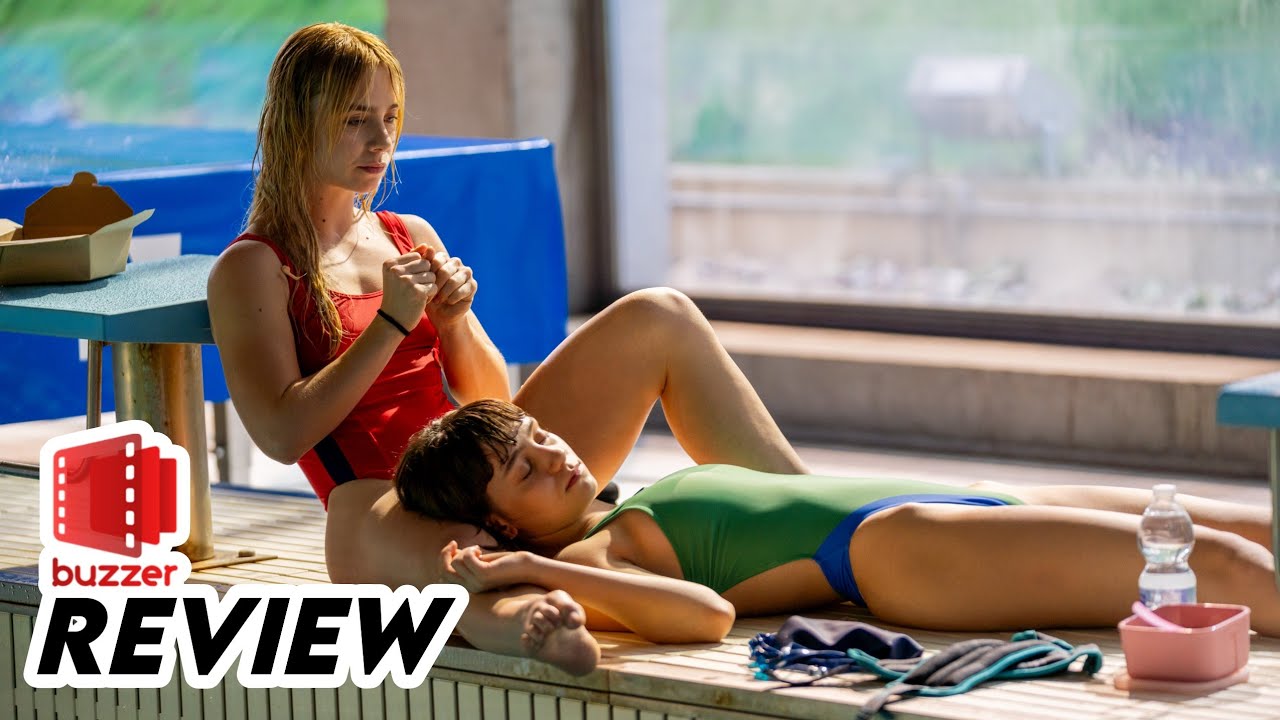
Olympo places young elite athletes inside a world of selection, desire and relentless pressure. The Spanish drama begins with familiar coming-of-age ingredients, then develops into a darker account of dependence and self-destruction. Medals are only one part of what is at stake. The setting is the fictional CAR Pirineos training centre, poised between mountain panoramas and concrete, with a realistically presented sporting environment.
Clara Galle gives synchronised swimmer Amaia a formidable degree of self-control, along with the cracks beginning to appear beneath it. María Romanillos brings warmth to Nuria, her rival and former best friend. Their competitive relationship carries emotional tension beyond the sport itself.
Doping and performance enhancement are central to the show's questions about bodies and success. How far will someone go for recognition and contracts, and what happens when they become replaceable? The series takes those pressures seriously without removing its characters' desire for closeness.
Its visual language is particularly effective. The camera attends to strained muscles, sweat and silent looks. Sexual tension is openly part of the athletes' world, including queer desire, rather than something added cautiously at the margins. The physicality distinguishes it from a more decorative teen mystery.
Some dialogue is stiff, a few supporting characters remain vague, and developments occasionally move too quickly. Even so, the main performances and the internal logic of the conflicts keep the season involving. Training and psychological pressure give the familiar structure a rougher texture. Filming partly in real Pyrenean training centres adds authenticity. The mysterious coach and ambitious swimmer Ione sharpen the supporting conflicts. There are recognisable elements of Elite, but Olympo feels more serious and physically demanding: training replaces parties, while selection and the body’s limits replace clique manoeuvring. Tender moments prevent it from becoming entirely cold.
I give the first season 8 out of 10. It combines style, intensity and meaningful questions about the price of success. Not every conflict is explored completely, but its mixture of atmosphere, intimacy and tension leaves a stronger impression than I expected. The eight episodes, each roughly forty to fifty minutes, are easy to keep watching, yet the questions linger beyond the suspense: does talent matter more than ruthlessness, and what happens to athletes who refuse to go along?