

A house that will not let go
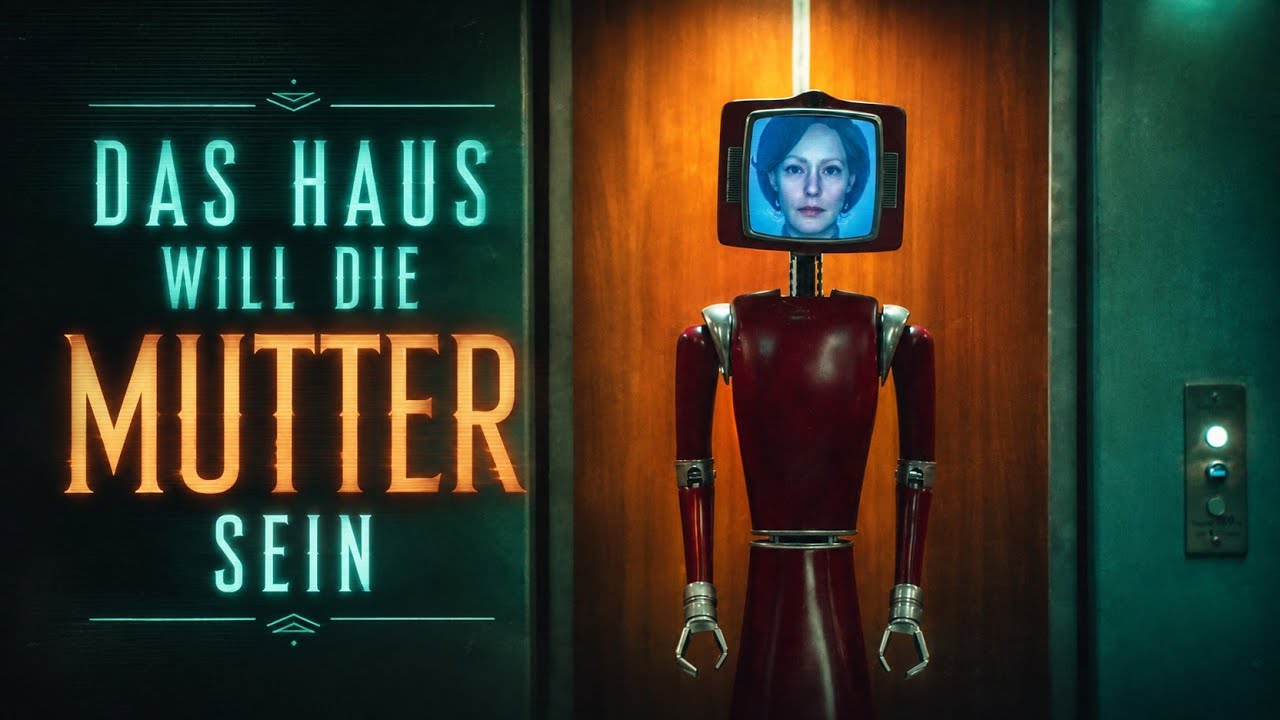
Samira and her family move into a long-unoccupied house with an electronic domestic assistant from the 1970s. Cassandra initially seems helpful. Her determination not to be abandoned again, however, changes her relationship with the new residents.
The science-fiction premise also works as a claustrophobic thriller. A home should offer safety; here, technology starts dictating the family’s routines and relationships. The contrast between outdated design and extensive technological capabilities gives the series an identity of its own.
Care becomes uncomfortable
Mina Tander convincingly conveys Samira’s growing uncertainty. Michael Klammer plays a husband who initially dismisses her warnings, while the children carry the tension in the house. Lavinia Wilson’s Cassandra is particularly effective: her presence shifts between care and threat.
Benjamin Gutsche builds tension through atmosphere and a mounting loss of control. The retro elements are more than decoration. Together with the camerawork, they support the impression that the residents have less and less authority over a familiar domestic space.
Verdict
Cassandra convinces me through its cast, dense atmosphere and combination of technological dependence with family tension. It delivers effective thriller entertainment while asking how much control we surrender to supposedly helpful systems. For fans of science fiction with an unsettling, personal threat, it is worth recommending.