

Spoilers: detailed discussionContains story spoilers. Open deliberately.
One afternoon on Guadalcanal
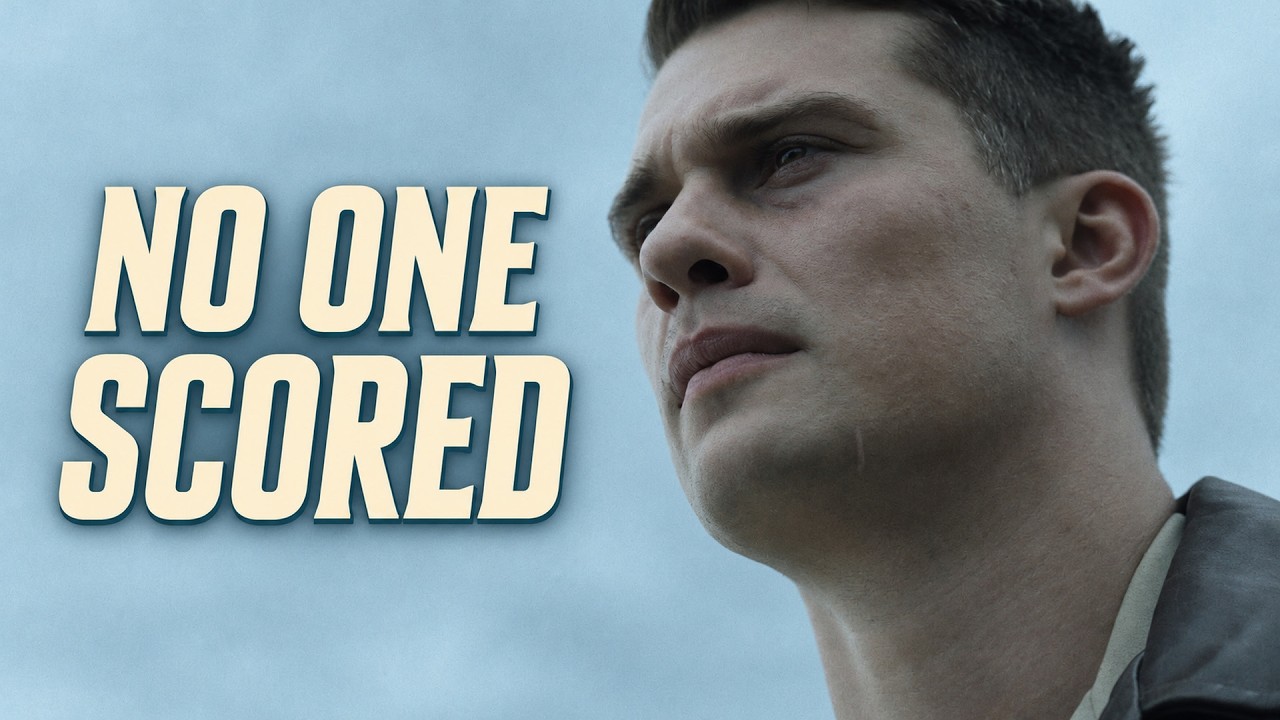
Nobody scored in the football game that gives The Mosquito Bowl its name. The field was a patch of hard ground on Guadalcanal. There were no helmets or pads. The people who cared about the score were Marines a long way from home.
So why tell this story as a sports movie? Because for one afternoon, football gave these men a way to be teammates and rivals again.
What happens when a player’s skills stop pointing the way?
Peter Berg’s film opened in select U.S. theaters on October 30 and arrived on Netflix on November 25. It follows four Americans who played college football before serving as Marines during World War II. Nicholas Galitzine plays John McLaughry, Bill Skarsgård plays Bob Bauman, Ray Nicholson plays Tony Butkovich and Tom Francis plays Dave Schreiner.
Berg has made a football film in Friday Night Lights and a war film in Lone Survivor. The question that stays with me here is what happens when the skills that once made these men stars can no longer tell them what comes next.
How the Marines made a game of it
The real game took place on Christmas Eve 1944. The men came from two regiments of the same Marine division. Some had played for major colleges or professional teams. McLaughry helped organise the game while the division was stationed on Guadalcanal. It started out as touch football and turned into a contest with tackles. The National WWII Museum describes a field that still had bits of coral in it. Long trousers and cut-off shorts helped the people watching tell the teams apart.
Those trousers tell me as much about why the afternoon mattered as the team sheets do. The men could make a field out of a parade ground, decide who was playing on which side and keep going until time ran out. They even planned a radio broadcast for people who couldn’t get there. The network’s nickname helped give the game its name.
Spoilers: detailed discussionContains story spoilers. Open deliberately.
What a tie leaves the story to tell
The final score was 0–0. A sports movie usually owes you a winner. I think this story can get more out of the tie. Both teams could share the game even though neither got the result it came for.
The crowd at the edge of the field
The trailer puts the confidence of college football alongside the uncertainty of the war in the Pacific. Watch who’s in the crowd. In the stands, people cheer for players they know by name. On Guadalcanal, the other Marines are watching. They understand the game and live with the same uncertainty as the men on the field.
That change of audience is what sets this football story apart from one about getting recruited, earning a starting spot or winning a trophy.
What the letters tell you
Berg’s film draws on a nonfiction book by Buzz Bissinger, who also wrote Friday Night Lights. Bissinger’s father served in one of the two regiments and rarely talked about Okinawa. The letters Bissinger found gave him details a scoreboard or a casualty list could never have supplied. What were these men worried about? Who were they writing to?
That’s a useful way into the adaptation. The four men have public reputations as athletes. The letters and relationships in Bissinger’s reporting help us ask who they were when nobody was cheering.
Spoilers: detailed discussionContains story spoilers. Open deliberately.
What football gave them
A few months later the division went to Okinawa. The game couldn’t change what came next. What the real story gives Berg is a stretch of time when these men could choose to do something together. Watch for what the football lets them say or do that their uniforms don’t. You can go in knowing the score and still have a reason to care about every play.