

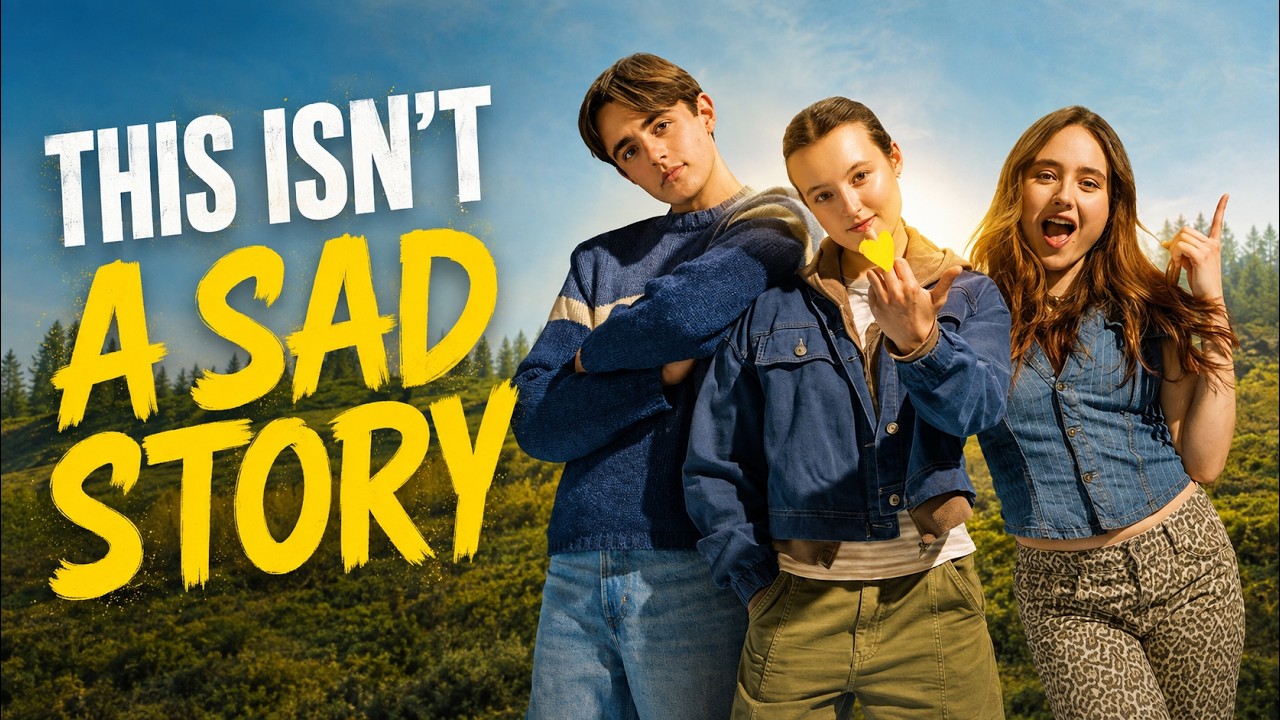
George Jaques’ coming-of-age comedy follows 17-year-old Ivy, a cancer survivor who wants one thing more than anything else: not to be defined by what happened to her. Her parents still send her to Children Run Free Camp, a four-week summer retreat for teenagers affected by cancer. Ivy expects forced positivity and awkward bonding. Instead, she finds a group of young people who have no interest in being treated like inspirational symbols.
That is exactly where Sunny Dancer finds its identity. This is far less interested in illness than in what comes after it. There are no hospital scenes and no attempt to turn every character into a walking diagnosis. The teenagers flirt, argue, drink, make bad decisions, embarrass themselves, and test boundaries. Their experiences carry an extra sense of urgency because the future no longer feels completely guaranteed, but the movie refuses to let that become its only emotional note. It wants these characters to be young before it asks them to be brave.
Bella Ramsey is the right performer to hold that balance together. Ivy is prickly, dryly funny, vulnerable, and occasionally difficult. Ramsey never turns her into a saint or a symbol. The defensive attitude makes sense because Ivy has learned to resist pity before anyone can offer it. Ruby Stokes, Daniel Quinn-Toye, Conrad Khan, and Jasmine Elcock help make the camp feel like an actual social space rather than a collection of inspirational supporting characters. Neil Patrick Harris initially brings almost suspicious levels of enthusiasm as camp leader Patrick, but there is enough humanity underneath the cheerfulness to keep him from becoming a cartoon. Jessica Gunning and James Norton give Ivy’s parents warmth while still allowing their overprotectiveness to frustrate her.
The chemistry is not accidental. Before filming, the cast spent a week together doing camp activities. Jaques also brings personal history to the material: his mother had cancer when he was a teenager, and he later worked with a charity supporting young people affected by the disease. That background helps explain why the movie understands an important point: treating these characters with respect does not mean treating them delicately.
Sunny Dancer still leans on familiar coming-of-age machinery. Some developments follow recognizable summer-camp patterns, several supporting characters could use more depth, and the movie’s determination to remain uplifting can occasionally make the emotional journey feel a little too neat. A rougher edge would sometimes make the warmth hit harder.
But the warmth does hit. Sunny Dancer takes material that could easily become manipulative and turns it into something lively, funny, and genuinely affectionate. Ramsey’s lead performance, the ensemble chemistry, and the film’s refusal to confuse illness with identity carry it through the more conventional moments. I’m giving Sunny Dancer 8 out of 10.