

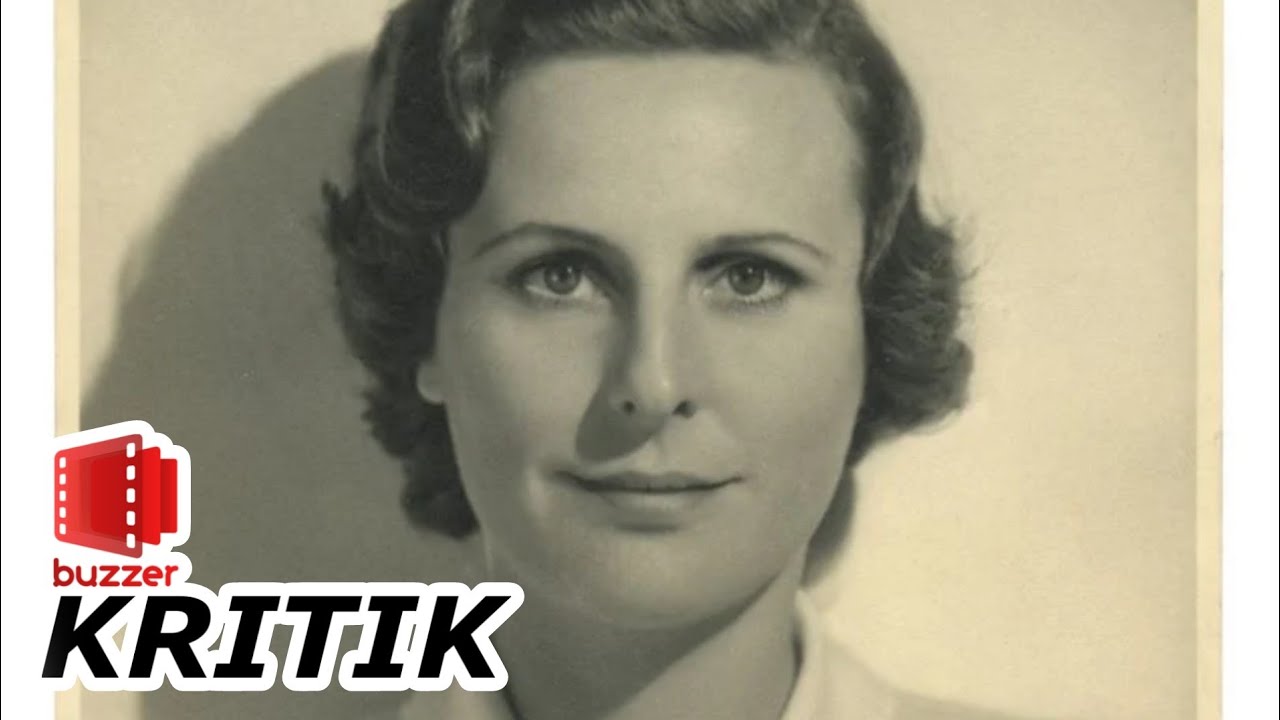
Riefenstahl examines a filmmaker's sustained attempt to control the story of her own life. Andres Veiel uses the personal archive to challenge the image of an artist supposedly separate from the politics her work served.
Films, letters and recordings become pieces within a carefully assembled account. The montage is particularly effective when a claim made by Riefenstahl is followed by material that contradicts it. Her defenses are not simply repeated; they are tested against the images.
The documentary shows the force of her visual talent while examining how that talent idealized power, discipline and exclusion. The aesthetic achievement and the propagandistic purpose cannot be comfortably separated. That connection also makes the film's questions relevant beyond this one career.
Private material adds to the portrait of persistent self-presentation. Veiel allows room for interpretation without accepting the story of a detached, innocent observer. The person behind the camera remains part of the responsibility attached to the work.
For me, Riefenstahl is a fascinating and important documentary. Its analytical approach reveals how visual beauty can carry destructive political ideas, while examining the mechanisms through which someone tries to erase that connection from public memory. The archive becomes an argument rather than a store of illustrations.