

Mux is back, but his anger has changed. In Muxmäuschenstillˣ, the obsessive champion of justice wakes after eighteen years in a coma and finds a world even more absurd and morally unrestrained than the one he fought before. Jan Henrik Stahlberg directs and returns to the role with hardness, desperation and a stubborn madness that works.
Mux writes a manifesto, more an indictment than a message of hope, and heads out again. This time he intends to confront society without his baseball bat. The shaky mockumentary camera and improvised atmosphere remain rough, unpredictable and uncomfortable.
His companion Karsten, played by Tilman Vellguth, is a PR adviser tasked with spreading the manifesto. He acts as a reality check rather than a conventional sidekick. Their chemistry lacks the earlier friction with Gerd, but Karsten's mixture of pity, fascination and bewilderment produces a different, quieter tension.
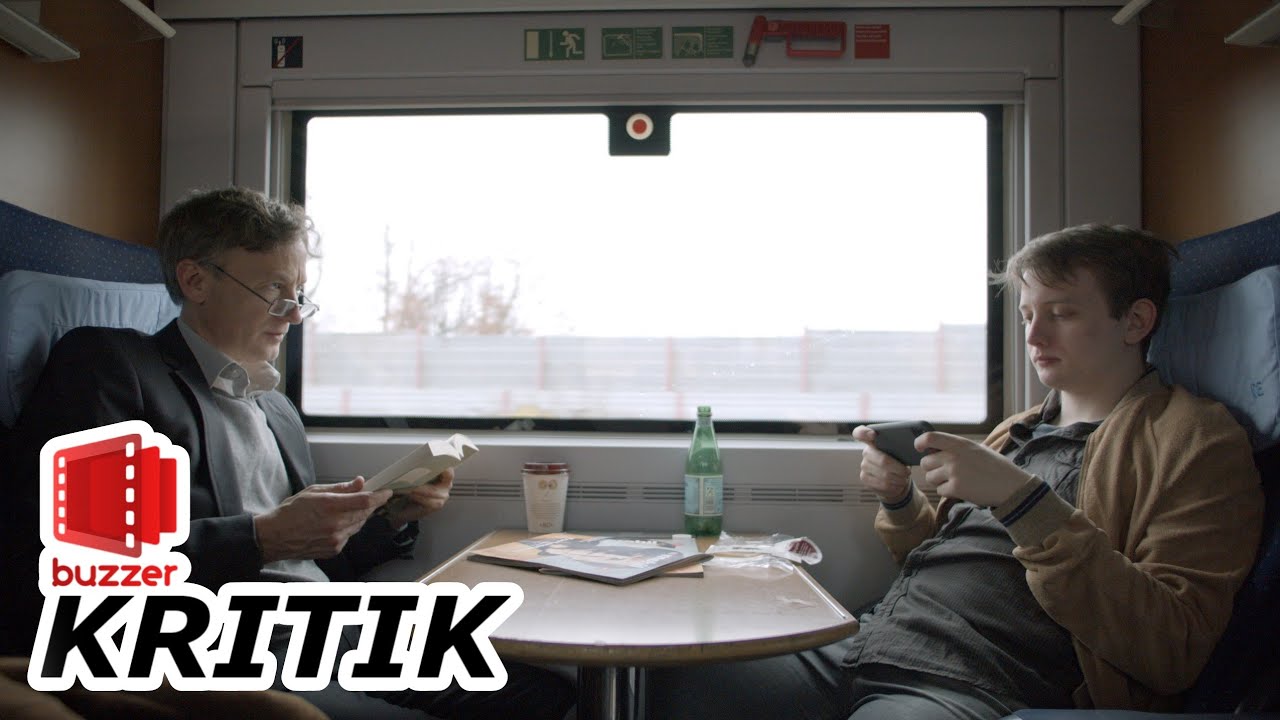
The film sharply addresses gentrification, the climate crisis and social decay. Mux's directness can sound like a desperate monologue or cut painfully into the present. Encounters with ordinary people, at a reading or on a train, are among its strongest scenes.
Compared with its predecessor, this is slower, more reflective and almost melancholy. The anger is still radical, but resignation has entered it. Mux believes in change while sensing that he no longer belongs.
For me, it is a courageous, honest film rather than a perfect one. Three out of five, for its conviction and willingness to be unfashionable.