

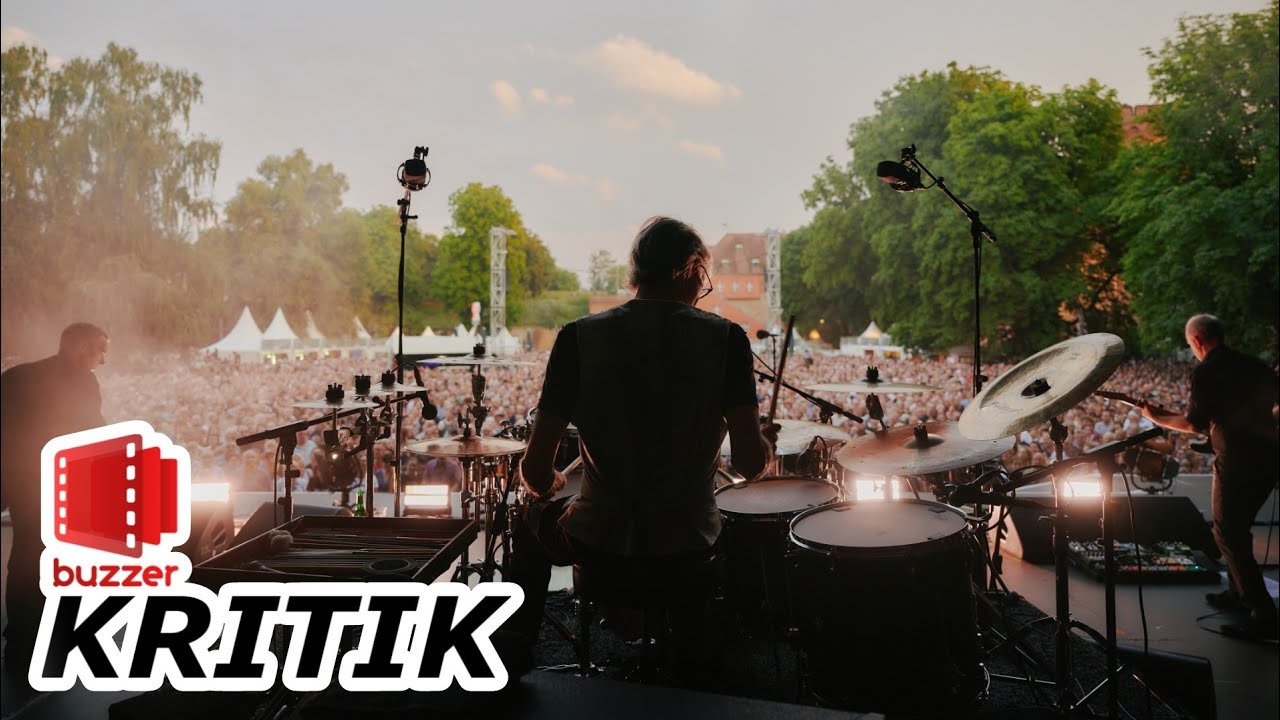
Charly Hübner's documentary Element of Crime in Wenn es dunkel und kalt wird in Berlin explores the German band's four decades in music. Concert footage and interviews trace a fascinating journey through Berlin's music scene, following the group's development from small clubs to larger venues.
The band and Berlin
The documentary also portrays a generation shaped by Element of Crime's music. It examines the band's close relationship with Berlin, a city undergoing political and social upheaval alongside their development. Concert venues such as SO36 and the Spandau Citadel show how important the city has been to their story.
The musicians
Sven Regener, Jakob Ilja, Richard Pappik and Markus Runzheimer offer personal insights into their collaboration. Regener reflects on songwriting and Berlin's role in the music. The musicians appear as artists communicating through their work and connecting with an audience, rather than distant stars.
Hübner and Campbell
Hübner portrays the band and the city in atmospheric images. Casey Campbell's photography moves skilfully between intimate moments in small clubs and the energy of larger concerts. That visual approach draws us into Berlin's musical heart.
Music and sound
Element of Crime's music is central throughout. Early English-language songs sit alongside later material such as Morgens um vier, revealing the group's range. Particularly strong is the connection between the music and Berlin, portrayed with melancholy and energy alike.
Verdict
This is more than a film for fans. It is a portrait of a band, a city and an era in German music. Hübner combines concert film, band biography and urban portrait with an impressive approach that moves and informs in equal measure.