

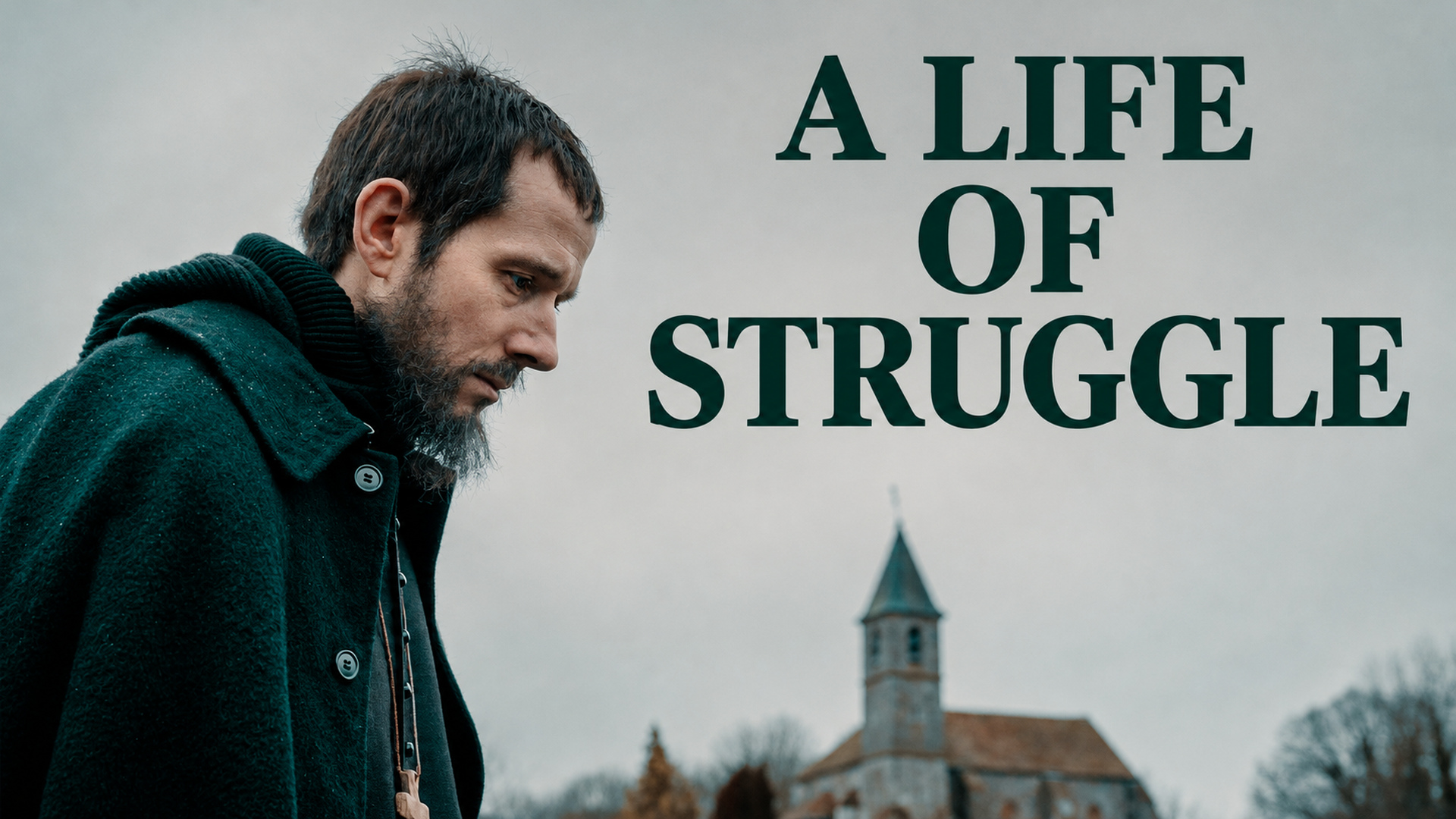
Frédéric Tellier's Abbé Pierre presents a broad historical portrait, moving through different periods of its central figure's life. The film concentrates on the work and convictions it depicts, with a large range of events creating both emotional possibilities and structural difficulties.
Benjamin Lavernhe gives an impressive performance. Changes across the decades register physically and emotionally, while uncertainty and determination coexist. He makes the figure within the screenplay feel like a person rather than simply an icon.
Emmanuelle Bercot provides strong support as Lucie Coutaz. The relationship between the performers adds emotional depth, helping the larger historical outline retain a personal dimension. Their scenes are central to the film's effectiveness.
Tellier's direction and the dialogue bring doubts and internal conflicts into the portrayal. The narrative connects different phases with care, though the number of events can become overwhelming. Some passages also last longer than necessary.
Precisely arranged images, focus and composition intensify the scenes. The opening desert sequence suggests the film character's spiritual search and connection with nature, while the winter scenes make the cold almost tangible. Piano and guitar support the emotion subtly. The radio address is a particular highlight of the sound design, concentrating the portrayal's emotional force.
As a film portrait, this is moving and worth watching for its acting and considered visual treatment. Its broad scope prevents complete consistency, but the central performances provide a strong foundation. Viewers interested in historical biopics should find substantial cinematic qualities within Tellier's treatment.