

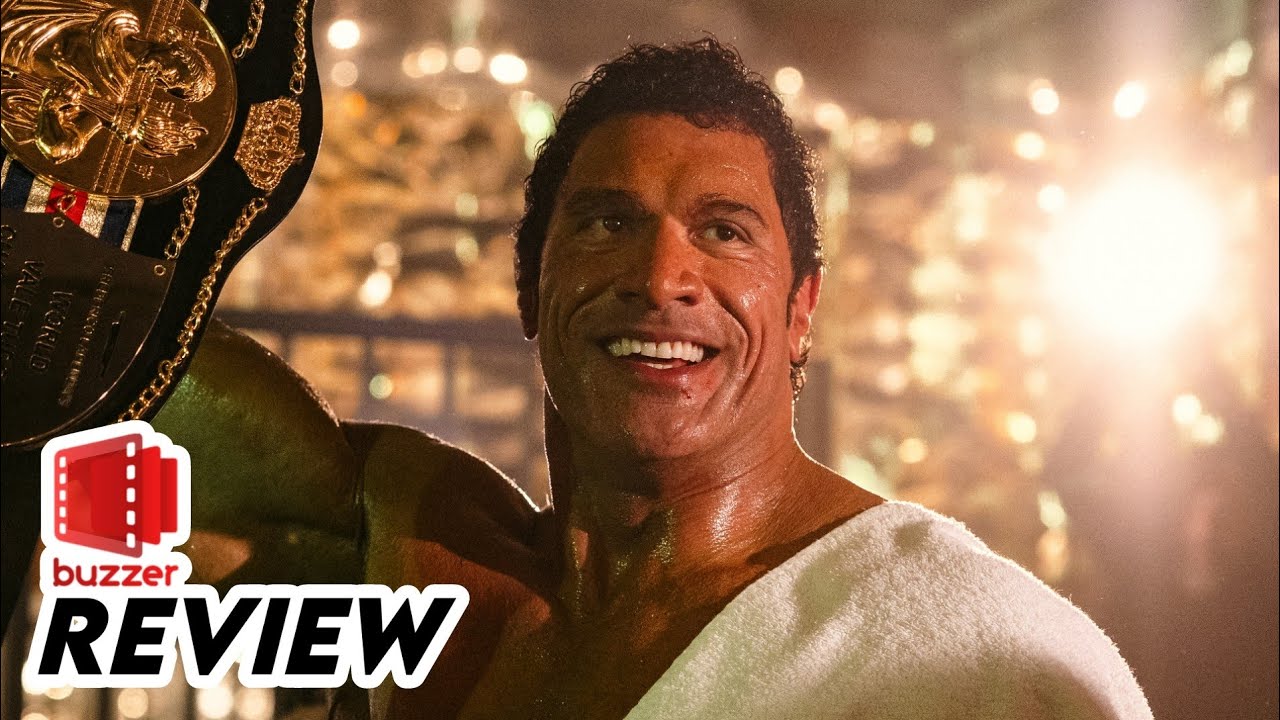
The Smashing Machine looks past Mark Kerr’s reputation as an apparently indestructible mixed-martial-arts fighter. Benny Safdie concentrates on a phase in the late 1990s when physical damage, pressure and dependence on painkillers were undermining that image. This is not a conventional sporting ascent with the victories arranged for applause.
The fights are brutal, but often filmed from a distance that makes the worn body more important than the glorious finishing move. That approach slows the film down and redirects attention towards a man struggling with control, self-respect and a relationship burdened by drugs and his profession.
Dwayne Johnson is a substantial surprise. Beneath the altered appearance, he gives Kerr a vulnerability far removed from his usual oversized action presence. Silent moments and a lowered gaze communicate desperation more convincingly than a declaration of suffering would. Emily Blunt brings warmth and pain to Dawn, although the character is sometimes limited to reflecting Kerr’s decline rather than fully existing alongside it.
The everyday details are particularly strong: reaching for pills, training desperately, sitting in the silence after an argument. They feel raw and persuasive. But the recurring conflicts and cycle of pain and dependence also become tiring. I wanted more dramatic development instead of another turn through the same difficult pattern.
Safdie’s fragmented approach distinguishes the film from a tidy rise-and-fall biography. The repetitions suit a contradictory person caught in motion without real progress, even when they weaken the narrative pull. I give The Smashing Machine 4 out of 5 stars. It is not flawless, but Johnson’s unusually convincing performance carries an intense drama about a person, rather than a collection of medals.
Watch the film at home
As an Amazon Associate I earn from qualifying purchases. Using these links does not add to the price you pay.