

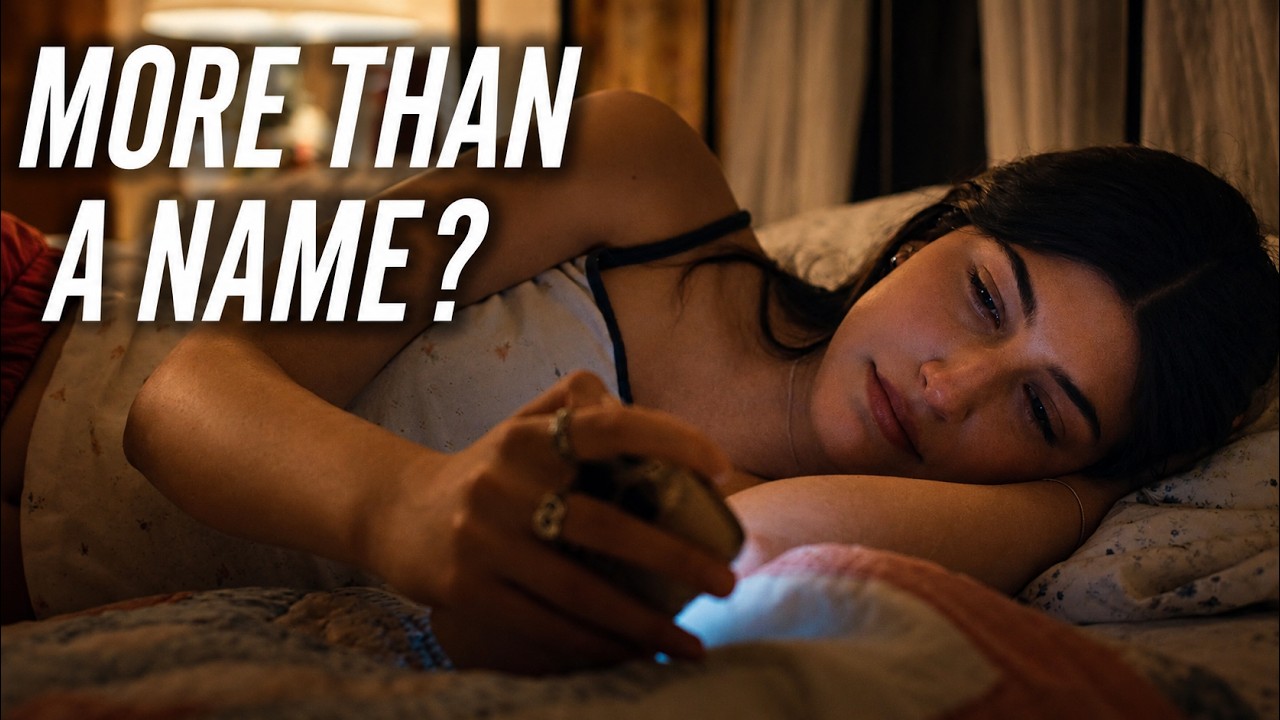
Don’t Say Good Luck is a 2026 Netflix film. Julia Hart’s coming-of-age dramedy follows Sophie Birenbaum, a quiet high school student who unexpectedly lands the lead in her school production of Waitress. At almost the same moment, she learns that her mother Elizabeth’s cancer has returned. The movie does not turn that setup into a complicated plot. Instead, it focuses on a harder question: how do you keep living an ordinary teenage life when ordinary suddenly feels impossible?
A restrained emotional center
That approach works largely because Sunny Sandler plays Sophie with restraint. The role does not need constant big emotional speeches. What matters is uncertainty, embarrassment, fear, and the strange feeling of still wanting to be a kid while being forced to understand something much bigger. Sandler has an easy screen presence, even if some scenes are directed a little too softly. Melanie Lynskey is even stronger as Elizabeth. She refuses to let the mother become a one-note symbol of suffering. Elizabeth can still be funny, caring, stubborn, and overwhelmed.
Care and theater
That is the movie’s biggest strength. Don’t Say Good Luck does not use illness only as an emotional button designed to make the audience cry. It is also interested in what care does to a family, how parents try to protect their children, and how loving decisions can still cause pain. The story was inspired by screenwriter Laura Hankin’s own teenage experience, and that personal connection helps explain why many of the smaller family tensions feel more grounded than a typical streaming melodrama.
The theater material is more than decoration. Sophie has to perform emotions onstage that she can barely organize in private. It is not subtle, but it is effective. At the same time, the movie clearly likes its characters a lot. Conflicts are often smoothed over faster than the material deserves. School rivals, romance, and family disagreements can feel more like gentle obstacles than real sources of pressure. Anyone expecting a sharper teen drama will get something warmer and more forgiving.
An ensemble with a clear focus
The supporting cast, including Max Greenfield, Stephanie Beatriz, Bebe Neuwirth, Steve Buscemi, and Jon Lovitz, mostly adds texture rather than new dramatic weight. Keeping the focus on Sophie and her mother is the right choice, and it prevents the large ensemble from pulling the story in too many directions.
Verdict
Don’t Say Good Luck is sentimental, occasionally too polished, and not every conflict carries enough weight. But its warmth rarely feels cynical. Sunny Sandler handles her first major leading role with confidence, Melanie Lynskey gives the movie its emotional foundation, and Julia Hart finds a surprisingly sincere tone between school-musical excitement and family crisis. It is not groundbreaking, but it is far more affecting than disposable streaming comfort food. I’m giving it 7 out of 10.