

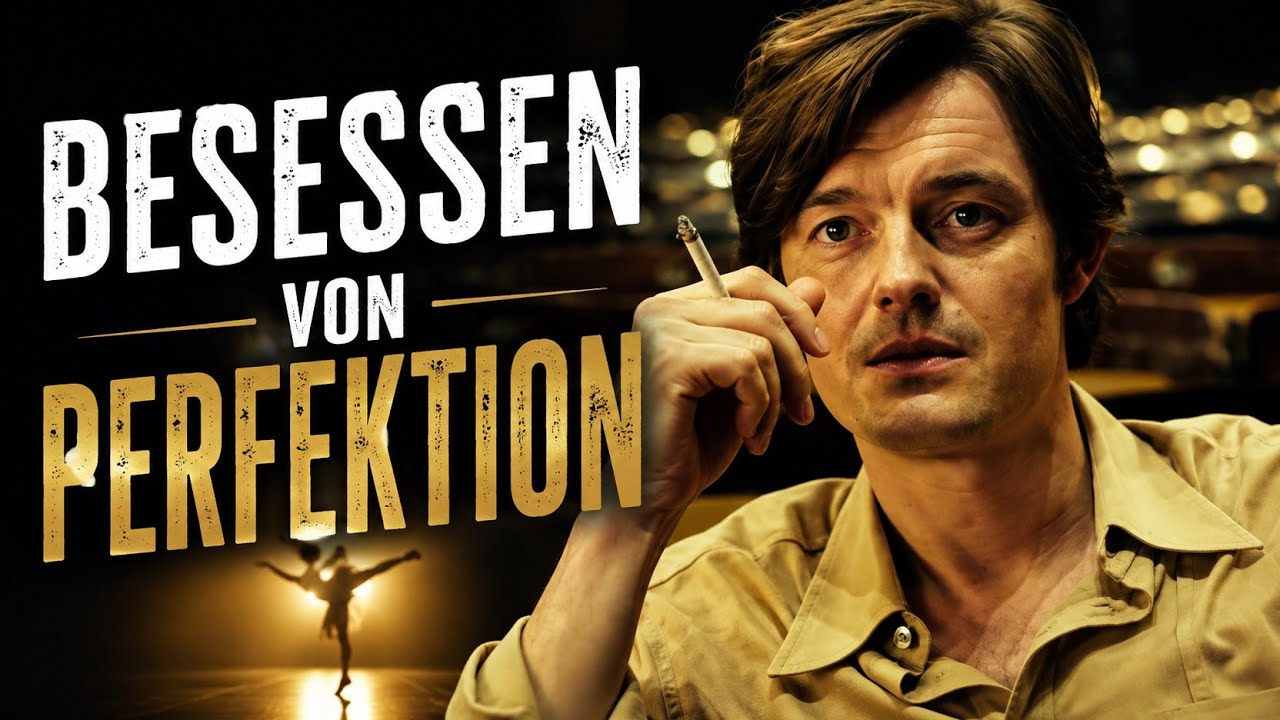
Joachim A. Lang's Cranko portrays the career and turbulent personal life of choreographer John Cranko, who transformed Stuttgart Ballet in the 1960s. Artistic perfection and private happiness pull in different directions, giving the film a complex central figure.
Sam Riley is excellent in the role, expressing Cranko's internal divisions and desire for recognition. Dancers from Stuttgart Ballet, including Elisa Badenes and Friedemann Vogel, support him. Their dance sequences bring the choreography to life while conveying emotion and fragility.
Philipp Sichler's camerawork is a major strength. The dynamic staging allows the viewer to move with the dancers. Intimate close-ups of personal crises alternate with broad views of the choreography, connecting the scale of Cranko's work with the pressures of his private life.
The film also considers the social difficulties of the 1960s, particularly discrimination against gay men. Cranko's fight against prejudice and his search for acceptance remain central alongside his artistic achievements.
The narrative does have weaknesses. Some sections feel overloaded, and the dramatic structure would benefit from greater focus. Even so, Lang turns the material into a striking visual and emotional experience for ballet admirers and viewers interested in art.
Cranko is a worthwhile portrait of an extraordinary choreographer. Its combination of performance, dance and biography produces a distinctive cinematic experience, even if the film does not reach the perfection its subject pursued.