

Rarely has a film spoken so quietly while saying so much. Fatih Akin and Hark Bohm have created a work built on observation, atmosphere and what remains unspoken rather than grand gestures.
The story takes place in spring 1945 on the North Sea island of Amrum. Twelve-year-old Nanning has fled Hamburg with his family. His mother, a committed Nazi, collapses psychologically after Hitler's death. She stops eating and stays in bed. The boy tries to fulfil one wish: white bread with butter and honey. It sounds trivial. Amid the chaos of the final days of the war, it is an almost impossible task.
That is where the film finds its strength. The larger drama hides inside something small. Nanning is neither a hero nor a rebel nor a symbol. He is a boy navigating a world that is falling apart. The adults around him, including a taciturn farmer, a fisherman hardened by war and his withdrawn mother, are caught in their own conflicts between guilt, denial and surrender.
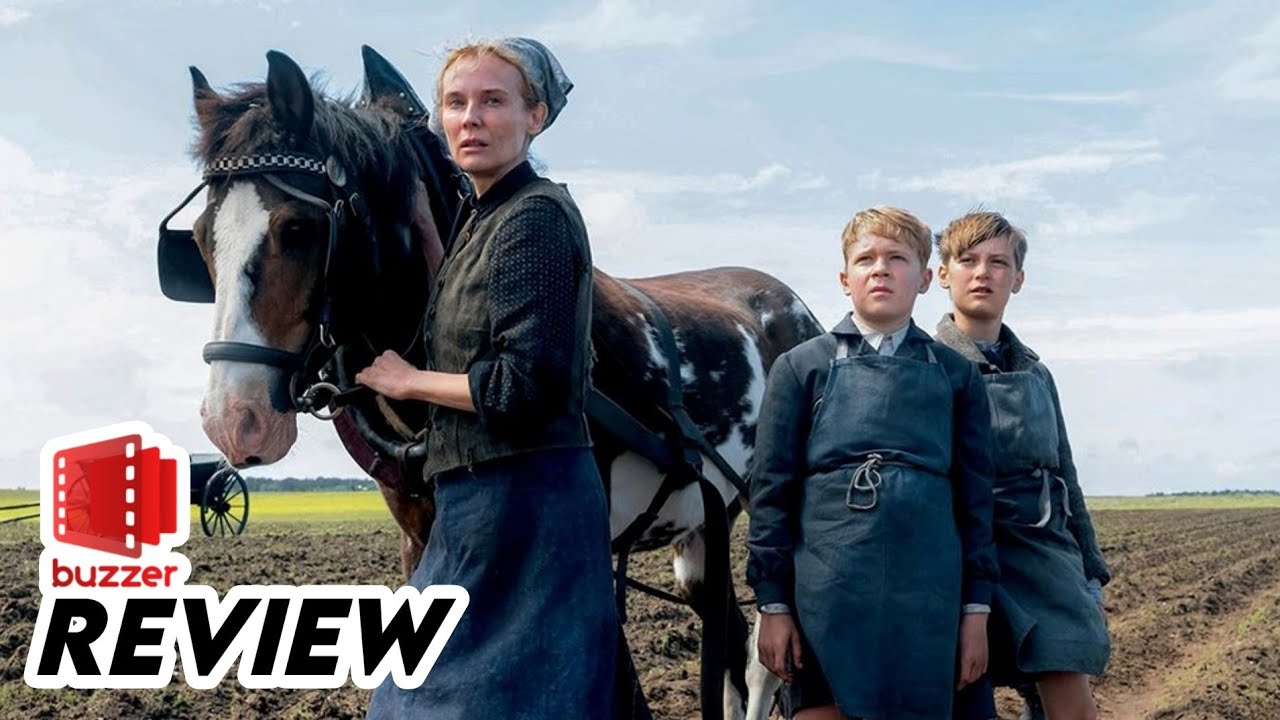
The images impressed me particularly. The camera is often still, observing rather than insisting. Long takes leave room to breathe. We hear wind, water and the silence between people. Nothing is overemphasised. That restrained approach creates an oppressive intimacy that is difficult to shake.
The characters are convincing precisely because they do not constantly explain their feelings. Nanning cannot understand everything happening around him, and that gives his perspective its force. He experiences the world intuitively, as a child, yet there are shades of meaning in his fear, curiosity and helplessness.
Amrum's distinctive quality is its tone. The film whispers instead of shouting. There is more truth in that whisper than in many louder war dramas. Historical upheaval arrives through a glance, a piece of bread or a conversation at a kitchen table rather than a tank battle. It is about identity, belonging, conformity and the first crack in a child's understanding of the world.
The restraint has limitations. Some developments remain only suggested. Anyone expecting dramatic turning points or emotional eruptions may find it frustrating. But that is also part of the film's strength: it wants to show rather than explain.
The performances, particularly from the children, are quiet and natural. Diane Kruger offers a restrained counterpoint to the ideology around Nanning without becoming an obvious moral centre. Jasper Billerbeck carries the boy's experience with remarkable presence.
For me, Amrum is a quiet, intelligent and deeply personal film. It feels like a fragment of memory: precise, fragile and moving. I give it four out of five. It deserves your attention rather than a place in the background.