

I watched all ten episodes of Trigger in one run. Its imagined South Korea, suddenly flooded with illegal firearms, creates a pull from the beginning. The premise is more than an excuse for action. A society built around order must confront what happens when access to lethal force becomes widespread and control starts slipping away.
Weapons turn up in lockers, backyards and classrooms. The series asks how ordinary people respond to power they have never been trained to use, and how institutions cope when their usual assumptions stop applying. That concern gives the thriller consequences beyond the next exchange of gunfire.
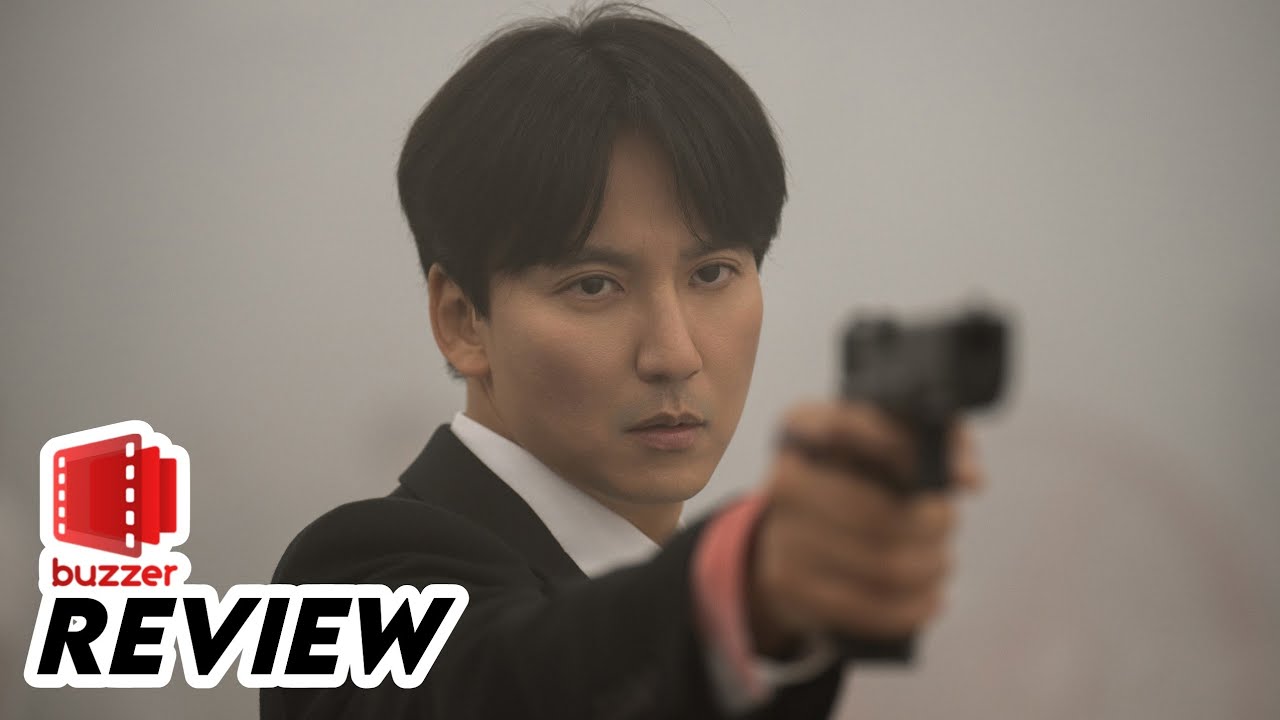
Kim Nam-gil's Lee Do, a former military sniper now working in law enforcement, is calm on the surface and tense underneath. Guilt, duty and contained anger shape his presence. Kim Young-kwang makes Moon Baek charismatic and difficult to read. The quiet contest between them works through glances and body language as much as dialogue. Their chemistry carries the series.
The action is forceful and well directed, but the serious treatment of its aftermath is more compelling. Trigger considers the strain on police, justice and politics rather than treating weapons as uncomplicated spectacle. Some passages feel disturbingly plausible, even within the heightened premise.
The middle loses momentum. Analysis and explanations occasionally slow the tension, while several supporting stories remain sketches when their individual consequences could have strengthened the drama. Cold colours, clear compositions and close camerawork maintain an oppressive atmosphere, with music that supports it without forcing emotion.
I give Trigger 3.5 out of 5 stars. It is not uniformly strong in its plotting, but its idea, seriousness and impact make the complete series worth watching. This is a hard, thoughtful thriller about violence and the loss of control, with an interest in questions that simple action entertainment would prefer to avoid.