

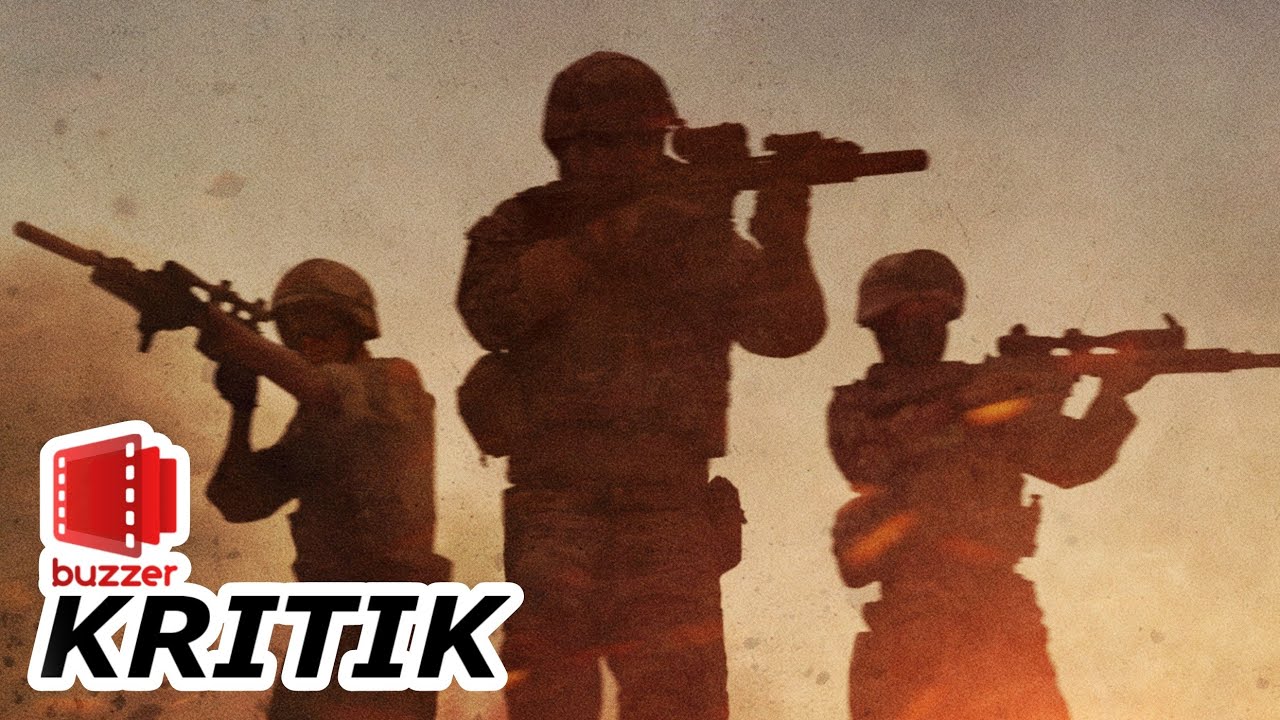
Another side of the familiar image
Anyone who knows Ridley Scott’s Black Hawk Down already has certain images of the battle in mind. The documentary places personal recollections beside them that resist becoming a single heroic narrative. American soldiers describe fear and confusion; Somali interviewees broaden the perspective.
That contrast matters. It reminds us that the operation was more than an American military mission for the people living there. Civilian experiences change the way familiar footage and events are understood.
Closeness without action glamour
Archive material, interviews and reconstructed scenes provide different layers of storytelling. The participants’ voices remain the most important element. Their memories make the horror more concrete without turning it into an exciting spectacle.
The emotional effect largely comes from that closeness. Music supports what is being said instead of transforming every image into a heroic gesture. The speakers’ contradictions and wounds consequently have more room to register.
Verdict
Surviving Black Hawk Down is strongest when other experiences make familiar events appear differently. Its three episodes combine historical context with a tangible interest in the people behind the headlines.
Viewers seeking another action version of the battle should look elsewhere. As a documentary, the series succeeds precisely through its wider perspective and its willingness to complicate images that once seemed straightforward.