

A family organised around power
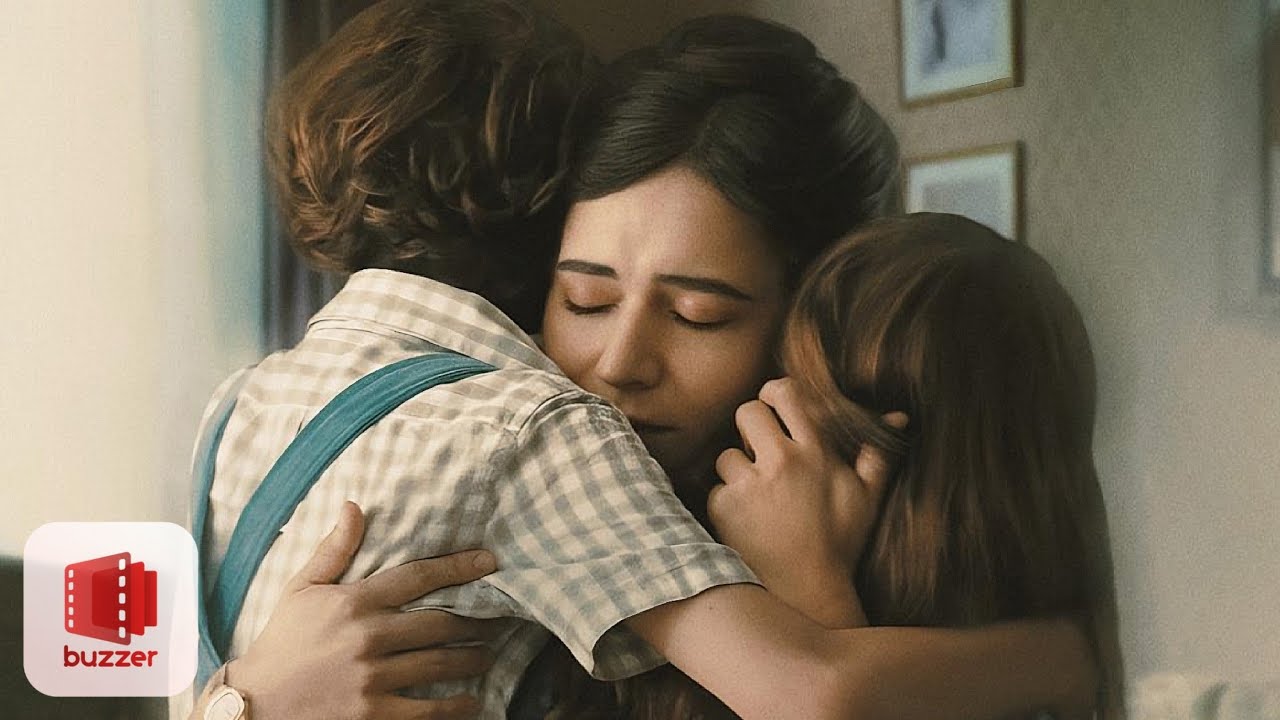
Valeria belongs to Mexico’s affluent Jewish community in the 1960s. When her husband Leo takes their children away, she loses more than her familiar family life. She faces an environment in which social standing and male authority carry more weight than her own voice.
The series becomes a convincing drama about emotional violence for me. The children become instruments of control. Rather than treating suffering as fuel for a crime puzzle, the story stays close to Valeria’s hope, determination and setbacks.
Strength without grand gestures
Tessa Ía conveys desperation, fear and anger through small changes in expression. Her performance carries the story without constantly displaying its feelings. Emiliano Zurita makes Leo a controlled threat whose coldness is particularly effective.
The production design and locations reinforce the pressure of social expectations without disappearing into glossy imagery. The five-part structure is generally clear, and the tension develops through the characters rather than manufactured surprises. Individual scenes could nevertheless be shorter, while some supporting characters deserved fuller treatment.
Verdict
No One Saw Us Leave is a moving, strongly acted drama for me. Its quiet direction and precise understanding of control within a family make it more enduring than a conventional kidnapping plot.
Not every slow passage deepens our understanding equally. The human credibility and Ía’s performance nonetheless outweigh those reservations. For viewers willing to engage with a serious family drama, this is a clear recommendation: 7/10.