

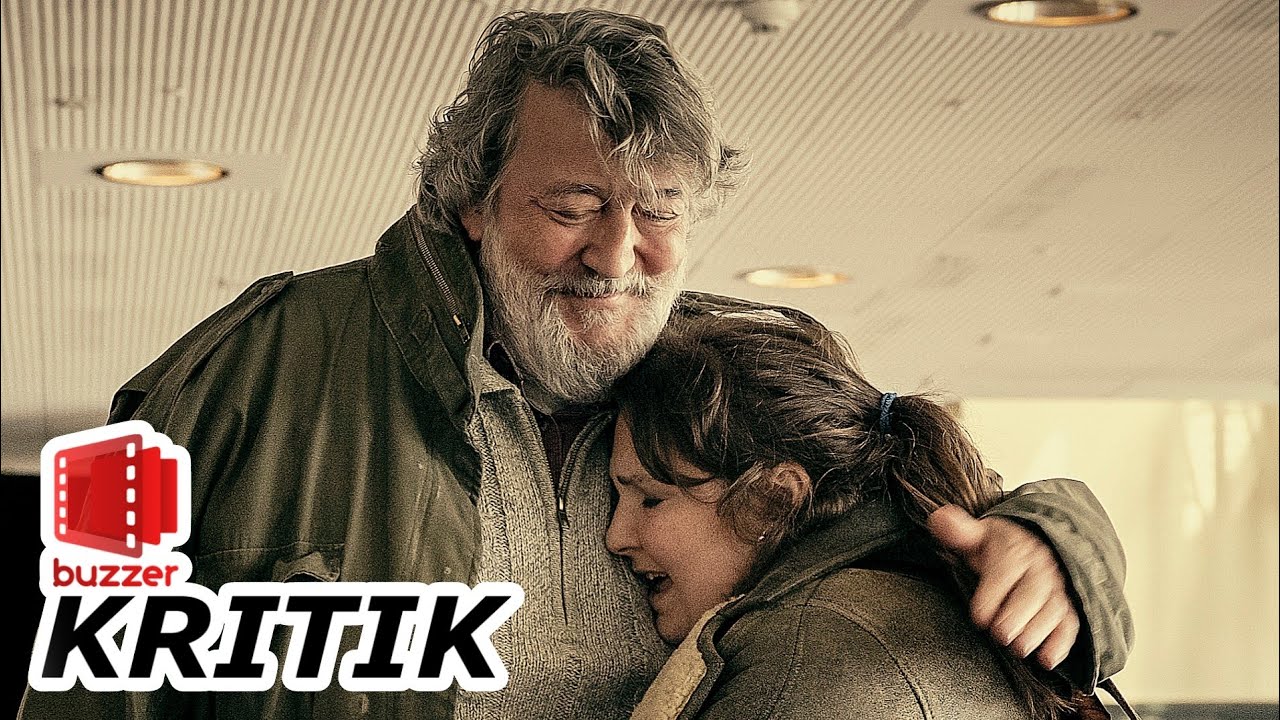
Treasure follows journalist Ruth and her father Edek through Poland, where their different ways of approaching the past put their relationship under pressure. She wants answers; the Holocaust survivor would rather keep painful memories at a distance.
Lena Dunham and Stephen Fry are the film's emotional centre. Fry combines sadness, resignation and humour without making the father's resistance feel simple. Dunham gives Ruth determination and an emotional urgency that creates a convincing contrast.
Julia von Heinz connects the family story to a changing historical setting. The early 1990s provide a meaningful background for a journey between generations and perspectives. The larger history informs the relationship instead of merely decorating it.
Serious moments and occasional comedy work well together. The melancholy landscapes and atmosphere reinforce the sense that old wounds cannot simply be closed by visiting their locations. The visual treatment supports the dialogue and performances.
The pacing is less effective in places. As the film continues, its emotional intensity diminishes and some potentially interesting concerns fall behind the sustained attention to father and daughter. The relationship is strong, but cannot make every slower passage equally involving.
Even so, Treasure is a worthwhile drama about memory, guilt and the burdens carried between generations. Its two leads make the difficult connection authentic. Viewers interested in historical stories with a substantial emotional centre should find much to consider, despite the uneven momentum.
Watch the film at home
Prime Video
Check current offers and terms on Prime Video.
As an Amazon Associate I earn from qualifying purchases. Using these links does not add to the price you pay.