

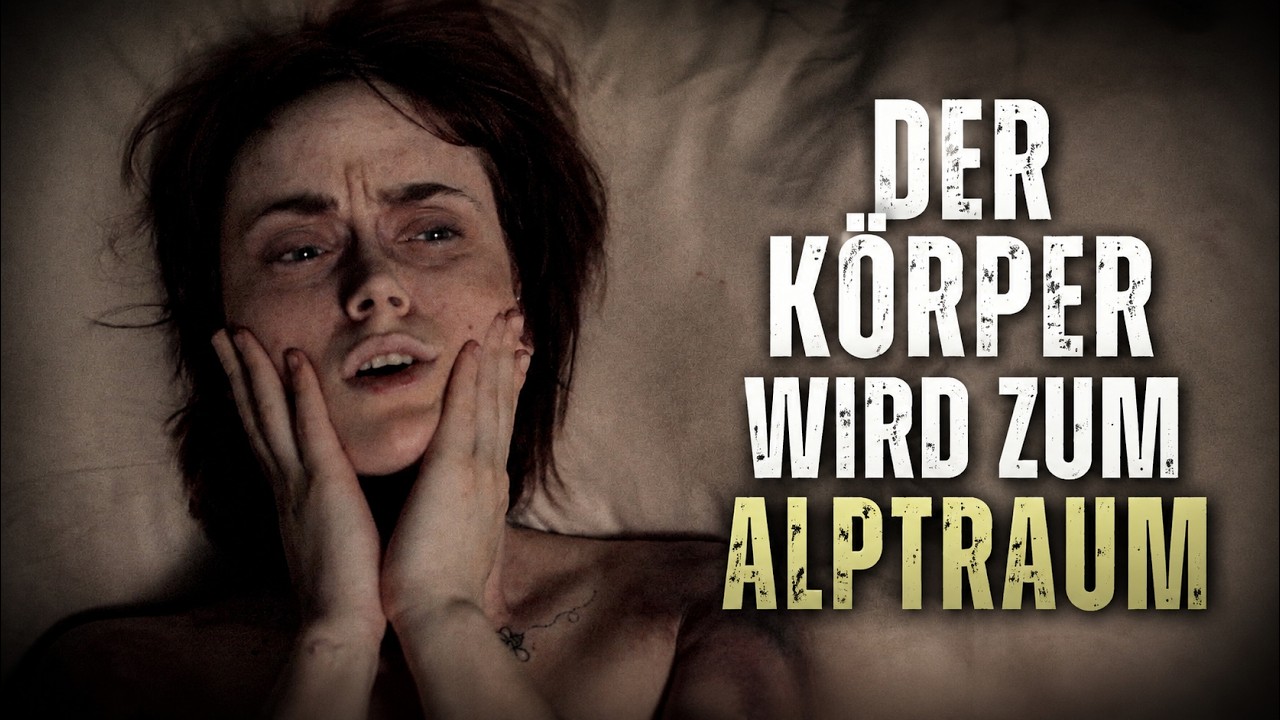
Thanatomorphose uses bodily decay to create an oppressive experience rather than a conventional horror plot. Éric Falardeau's film is slow, explicit and deliberately uncomfortable. Its appeal depends on a willingness to remain inside that atmosphere.
Laura begins to discover that her body is deteriorating. The film keeps the explanation uncertain and concentrates on her experience instead. A confined apartment becomes the center of a world that feels increasingly cut off from everything outside.
Close-ups and practical effects give the physical changes a disturbing texture. The horror is not built around quick shocks. It comes from having to observe a process that offers little relief, supported by sound and the claustrophobic setting.
Kayden Rose gives Laura emotional depth with relatively few words. Her restraint makes the pain and withdrawal more affecting than a more demonstrative performance might have done. The physical deterioration and the character's isolation reinforce each other.
For me, the film also invites a reading about self-destruction, abuse and retreat from the world. These are interpretations supported by the atmosphere, rather than an explanation that neatly resolves the story.
Anyone expecting a fast-moving plot or accessible mainstream horror is unlikely to enjoy this. Viewers interested in extreme body horror may find its consistency compelling. Thanatomorphose is an unpleasant, purposeful film whose effects serve a bleak mood instead of merely displaying technical ingenuity.