

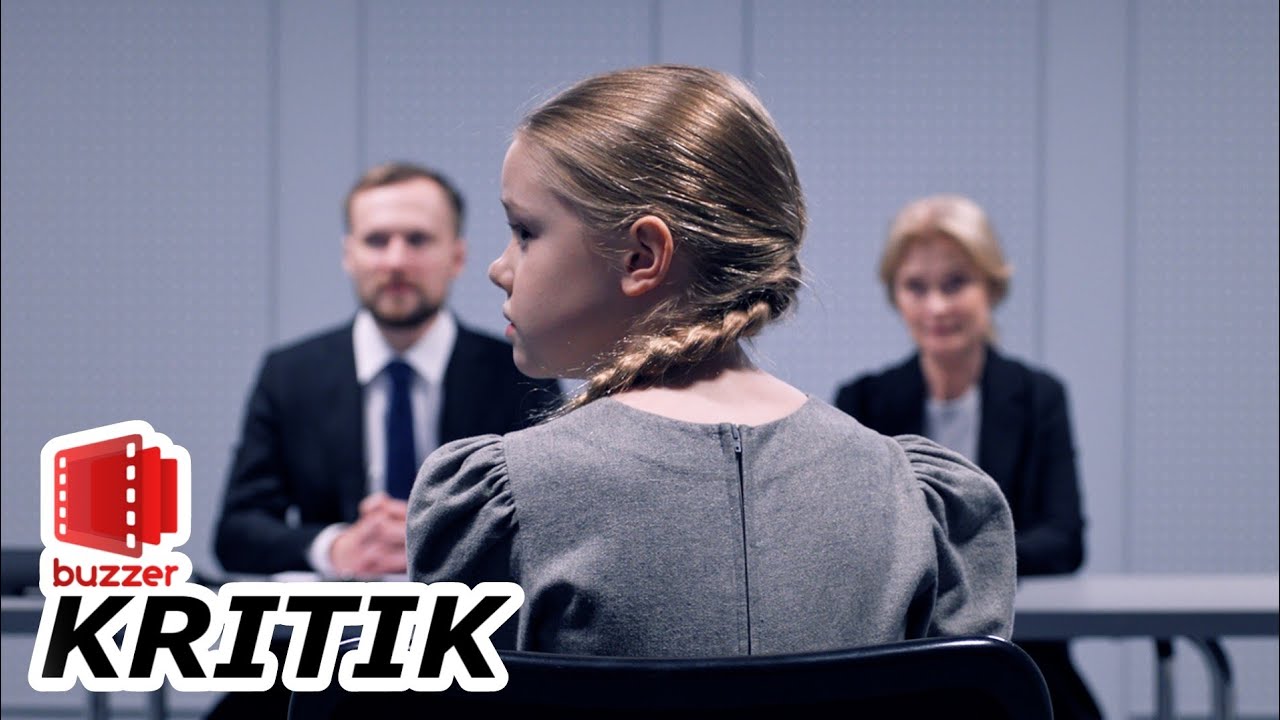
Quiet Life does not explain the world for you. It leaves you inside it, watching and feeling a family's helplessness. Alexandros Avranas approaches the disturbing subject of resignation syndrome in refugee children with restraint rather than spectacle.
A Russian family lives in limbo, caught between bureaucracy, fear and dwindling hope. When the younger daughter stops speaking, eating and responding, Sergei and Natalia begin an exhausting journey through officials, doctors and support institutions. The film avoids melodramatic emphasis, which makes the ordeal more intense.
The often static camera observes closely. Natalia collapsing in a corridor and Sergei trying to reach his daughter through Russian fairy tales communicate a constant sense of powerlessness. I wanted to intervene and felt as unable to do so as the parents.
The performances remain credible and unexaggerated. Natalia's quiet despair feels almost physical. Sergei shifts between attempts at control and the threat of breaking down. The children approach their roles with a seriousness that strengthens the film's emotional impact.
Questions about systems, empathy and childhood emerge from these experiences. What happens when human suffering is processed through paperwork? How much can children bear before they have had the chance simply to be children?
There are no easy moments of relief or conventional suspense curves. Some viewers will find it too slow and bleak. For me, that reduction creates room for thought, anger and compassion. Quiet Life speaks softly and stays with me.