

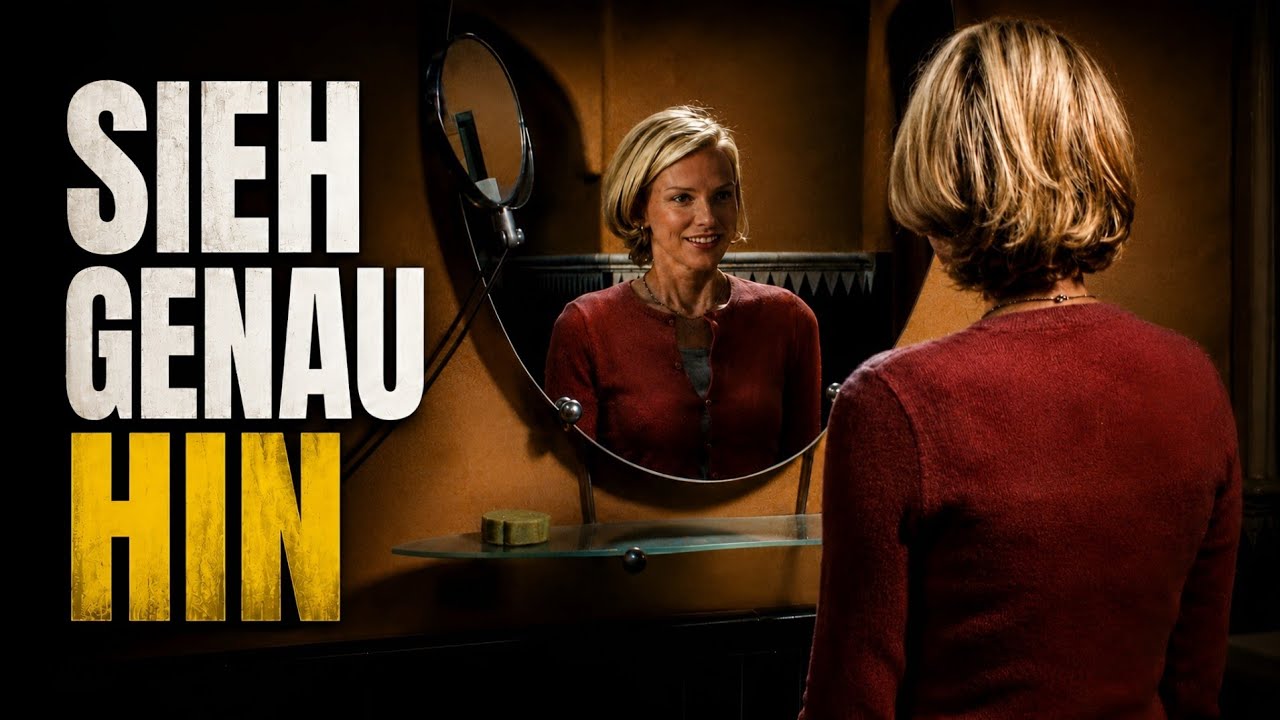
The film has ended, yet I remain somewhere inside its images, sounds and emotions. I cannot easily remember another film affecting me in quite this way. Mulholland Drive feels like more than a story: a state that refuses to disappear with the credits. Lynch creates a space where logic becomes an illusion and where losing yourself changes the way you emerge.
Spoilers: detailed discussionContains story spoilers. Open deliberately.
The feeling that remains
What remains is not a clear answer but an echo: loss, longing and a broken dream I cannot quite grasp. Betty, played by Naomi Watts, has a radiant smile, optimism and innocence that seem almost too perfect. Rita, a vulnerable woman without memories, becomes connected to her through affection and dependence. Their tenderness carries the unease of a dream becoming a nightmare. Club Silencio intensifies that sensation: there is no band, yet music plays. An illusion can feel more real than reality. Perhaps we hold on to it because truth would hurt too much.
An analysis without firm ground
Labels such as neo-noir, mystery thriller and psychological puzzle describe the surface without reaching the whole film. A woman loses her memory, another helps her, a blue key appears and sinister figures operate in the background. Then comes a rupture. Betty becomes Diane, Rita becomes Camilla, and their relationship changes. In the reading that grips me, the first world is Diane's fantasy: she imagines herself talented and loved, with Camilla dependent on her. The other reality reverses that ideal. Success belongs to Camilla, while Diane is abandoned, bitter and trapped in obsession. Guilt and longing feed a cycle of repression and self-destruction. This remains a way of reading Lynch's unstable worlds rather than a key that fixes every detail.
Hollywood’s dream-factory nightmare
The film also confronts Hollywood's promises. Lynch looks behind glamour towards power, manipulation and a system that consumes people. Betty arrives with hope, but the dream factory becomes a place where dreams can die. I read the mysterious Cowboy as an expression of invisible control, and the figure behind the diner as an image of what has been repressed. Those unsettling presences bring guilt into a world trying to hide it. Hollywood becomes a place where discovering who you are not can be devastating.
Dream and reality
Dream and reality are not simply opposing settings. They expose a desperate need for control. Diane's imagined world makes her the admired heroine; its alternative reveals failure, jealousy and self-hatred. The dream offers refuge, but truth breaks through like cracks that can no longer be painted over. The film's painful suggestion is that we can deceive ourselves, but cannot make the pressure of reality disappear indefinitely.
Verdict
After all the analysis, feeling remains: loss, desire and a dream dissolving when the eyes open. Mulholland Drive is among the best films I have seen because I feel it, not because I can completely understand it. A mirror, a nightmare, a poem without rhyme: it requires the courage to let the inexplicable stand. There is no blue key that unlocks everything. There is an echo, and perhaps that is enough.
Watch the film at home
As an Amazon Associate I earn from qualifying purchases. Using these links does not add to the price you pay.