

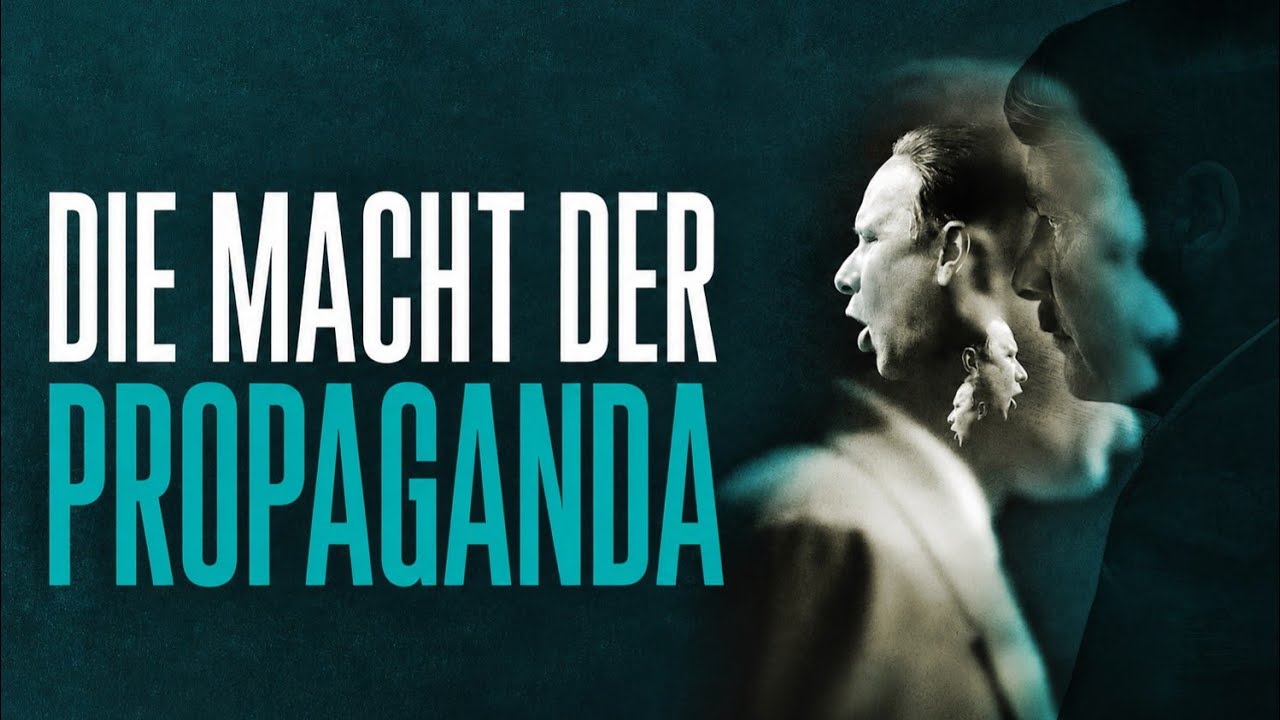
Führer und Verführer examines the machinery of Nazi propaganda through Joseph Goebbels and the years leading to the end of the regime. Joachim A. Lang's film makes the construction of public perception central to its historical drama.
The story shows how manipulation and false information were used to maintain support for Hitler's policies. Its relevance comes from the mechanisms it examines, inviting reflection on how audiences respond to deliberately shaped images and messages.
Robert Stadlober gives Goebbels an intense, nuanced presence. Fritz Karl and Franziska Weisz strengthen the cast as Hitler and Magda Goebbels. The performances help the dramatic material maintain force.
Archive footage is combined with staged scenes, while interviews with Holocaust survivors interrupt the perpetrator-centered narrative. Those voices are essential: they bring the consequences of the ideology back into the film rather than allowing the machinery of persuasion to become fascinating in isolation.
The camera work and montage create an intense atmosphere. For me, the combination of historical information and critical reflection makes this a powerful film. It asks viewers to consider how propaganda works and why vigilance toward manipulative material matters. Its strongest moments connect that analysis with the people who suffered the consequences.