

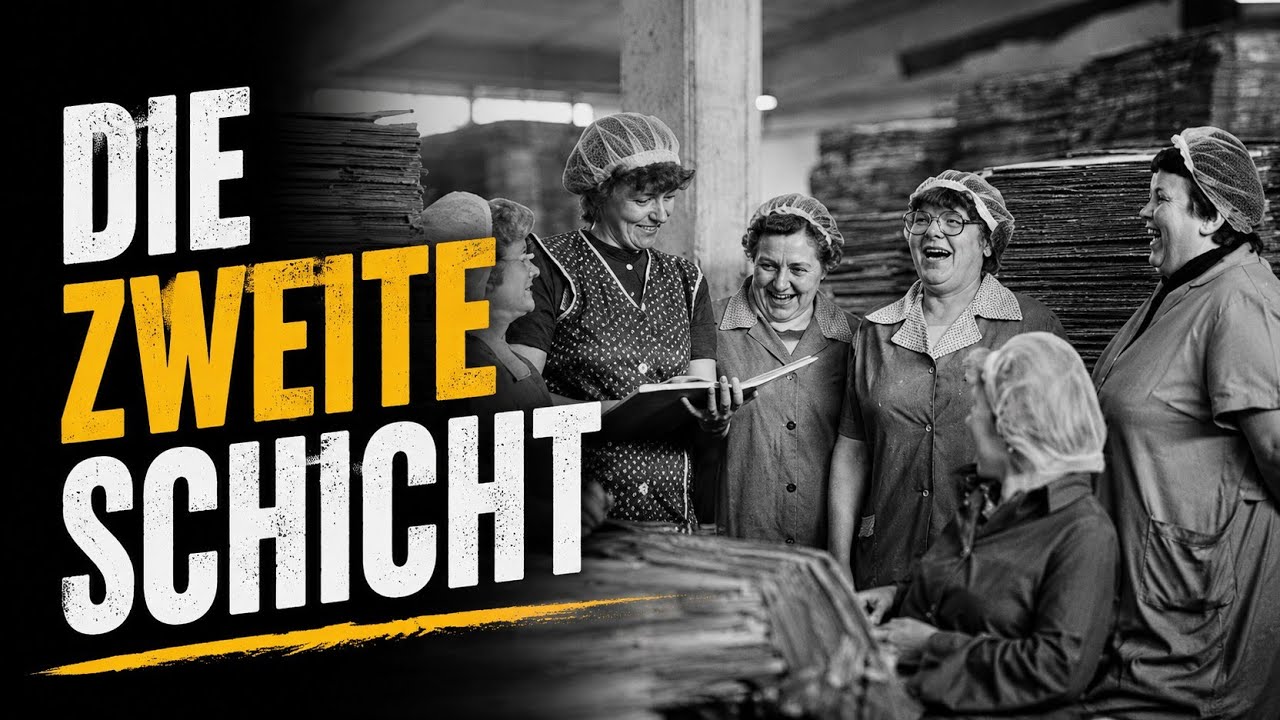
Torsten Körner's documentary Femocracy II follows its predecessor by examining an often neglected chapter of German history: the lives and roles of women in East Germany.
Equality in everyday life
The film explores equality in a state that officially promoted women's rights while remaining deeply patriarchal in practice. Fifteen East German women from different walks of life offer a wide range of perspectives. Politicians, artists, farmers and activists reveal the complexity of gender roles and the contradictions between state propaganda and everyday experience.
The women speak for themselves
Körner's decision to let these women tell their stories without an overarching voice-over gives the documentary authenticity. They speak for themselves, allowing a direct connection with their experiences and emotions. Particularly impressive is the way their personal stories are woven together with historical archive footage. The result is both intimate and historical, drawing us into the East German past.
Direction and images
Körner again shows his ability to make complicated historical and social subjects accessible and emotionally engaging. He balances personal accounts with the broader historical perspective. Sandra Brandl's skilful editing and Anne Misselwitz's sensitive photography support a quiet but forceful visual approach.
Personalities and music
Although this is a documentary, the personalities of the women leave a lasting impression. Their accounts are powerful and moving, especially when they discuss personal struggles and the pressure of the socialist regime. Cassis B Staudt's music contributes to the atmosphere. East German popular songs and other music of the period reinforce the sense of memory and support the narrative structure.
Historical context
The historical and social context emerging from these interviews is also interesting. Körner places the women's experiences within a wider picture, bringing out continuities and differences between East and West. The double burden of paid work and domestic responsibilities is portrayed vividly and invites reflection on the challenges they faced.
Verdict
Femocracy II is an intense and informative documentary, convincing through its dense storytelling and the authentic accounts of its protagonists. It has some slow passages, and not every story is equally engaging, but it still offers valuable insights into an often overlooked chapter of German history. It is well worth seeing for anyone interested in East Germany and the women who lived there.