

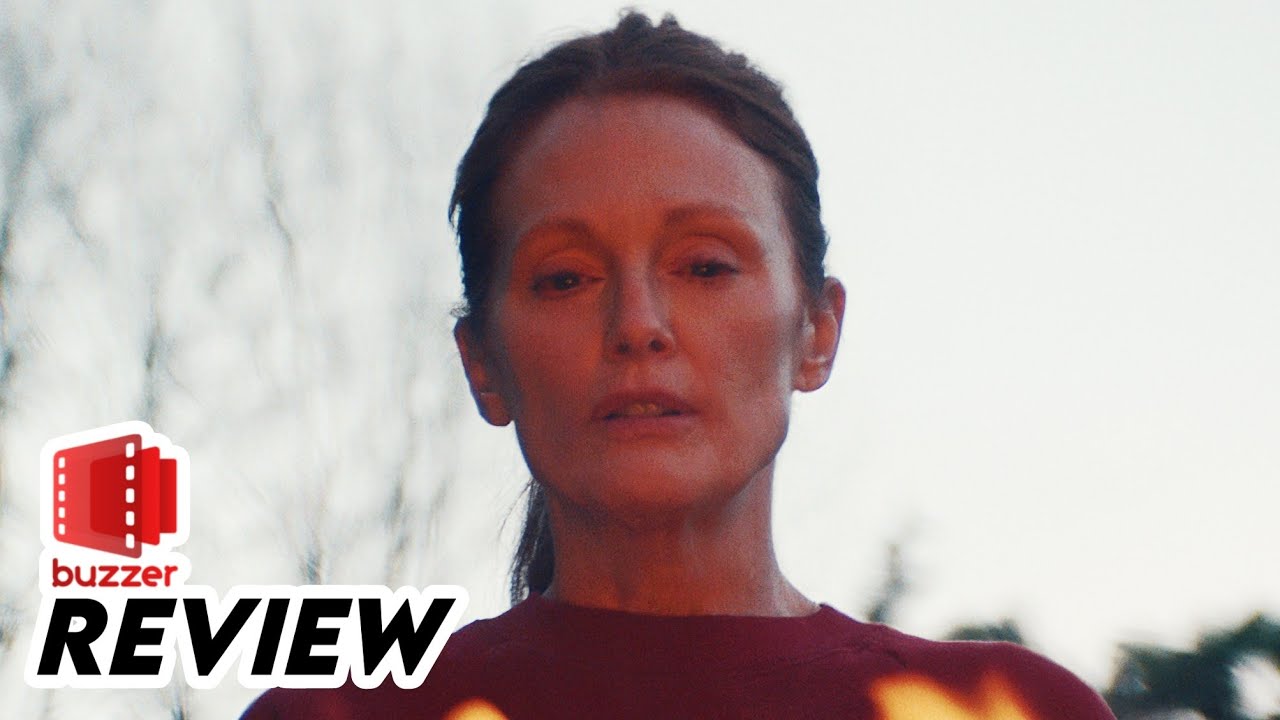
Echo Valley caught my attention through its two lead performances, then gradually lost some of that grip. Julianne Moore's Kate lives withdrawn on a horse farm after a personal loss. When her daughter Claire arrives covered in blood, the situation develops into a nightmare of emotional pressure, guilt and crime.
The early stretch is impressive. Moore gives Kate an exhausted calm that could become panic at any moment. Sydney Sweeney makes Claire raw and unpredictable. Their looks and gestures contain love, suspicion and anger, giving the relationship tension before the story needs to explain much.
The later plot cannot maintain that standard. As the criminal complications become clearer, the intimate drama gives way to thriller machinery. Transitions feel forced and some twists mechanical. Too often the characters appear moved between plot points instead of developing through their choices.
The visual direction remains assured. Quiet camerawork, threatening music and the rainy, isolated Pennsylvania setting reflect Kate's state of mind. The deliberate pace is not the central problem; the writing's lack of depth and consistent tone is.
Domhnall Gleeson's antagonist serves the plot without acquiring enough presence or complexity. I wanted the film to stay closer to its strongest material: the fear and dependence between mother and daughter, and the line separating protection from control.
I give Echo Valley 6 out of 10 points. Moore and Sweeney make much of it worth watching, but a promising psychological drama becomes too reliant on familiar thriller structures. It has feeling and atmosphere, without fully realising either their dramatic possibilities or its suspense.