

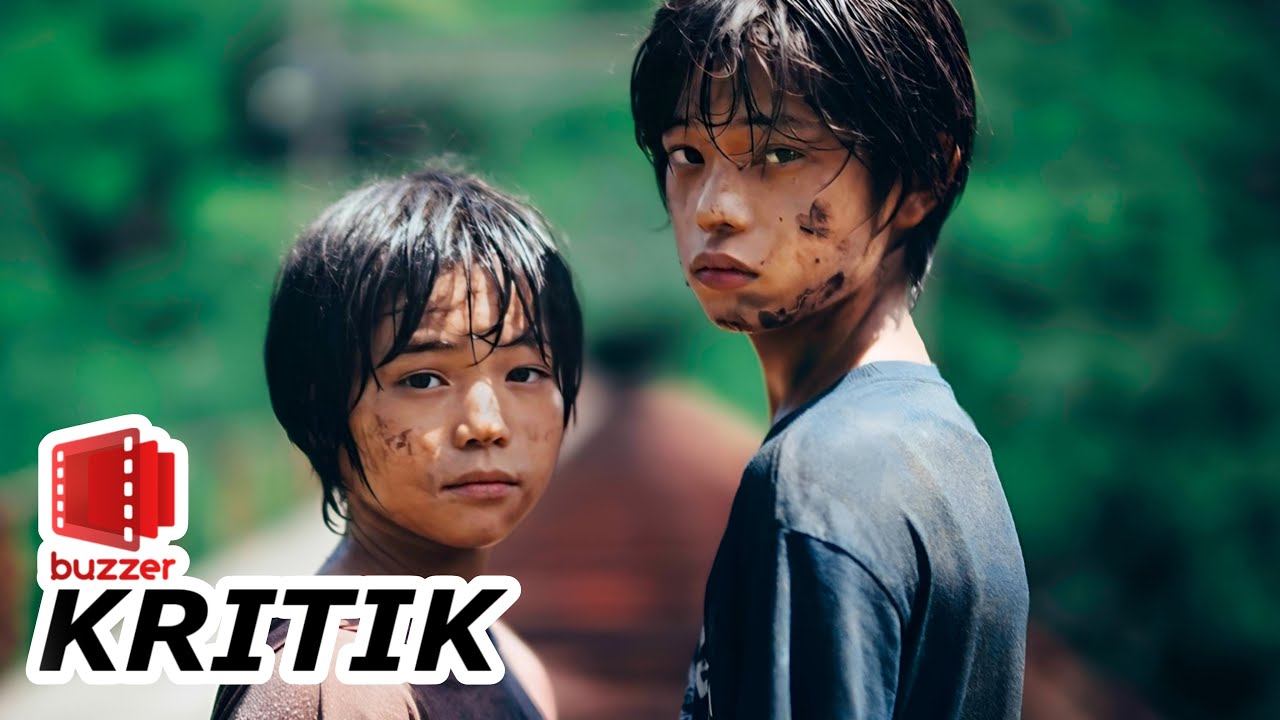
Monster approaches human relationships through a drama about suspicion, misunderstanding and the search for truth. Hirokazu Kore-eda follows a mother's concerns about her son, allowing the apparent explanation to become more complicated as different experiences come into view.
Sakura Ando gives Saori's determination emotional credibility. Eita Nagayama adds depth as teacher Hori, making the conflict involving without reducing either character to a simple position. The performances create a tangible intensity beneath the restrained direction.
Kore-eda handles the material subtly. His attention to circumstances and feelings makes the consequences of premature judgement central to the experience. The film invites the viewer to consider how incomplete understanding can shape a relationship.
Ryuichi Sakamoto's music is a particular strength. It captures emotional nuances and reinforces individual scenes without replacing their complexity. Ryuto Kondo's camera is similarly restrained, giving atmosphere and feeling a carefully judged visual form.
The pace can appear slow. That patience provides space to understand the characters more fully, however, and the approach ultimately rewards the attention it asks for. The film's emotional depth depends on allowing its perspectives time to develop.
Monster is a moving, thoughtful and unhurried achievement. Its exceptional performances and sensitive craft make the questions about truth, justice and human connection resonate. Kore-eda gives the viewer a substantial experience whose emotional force remains long after the immediate story has ended.