

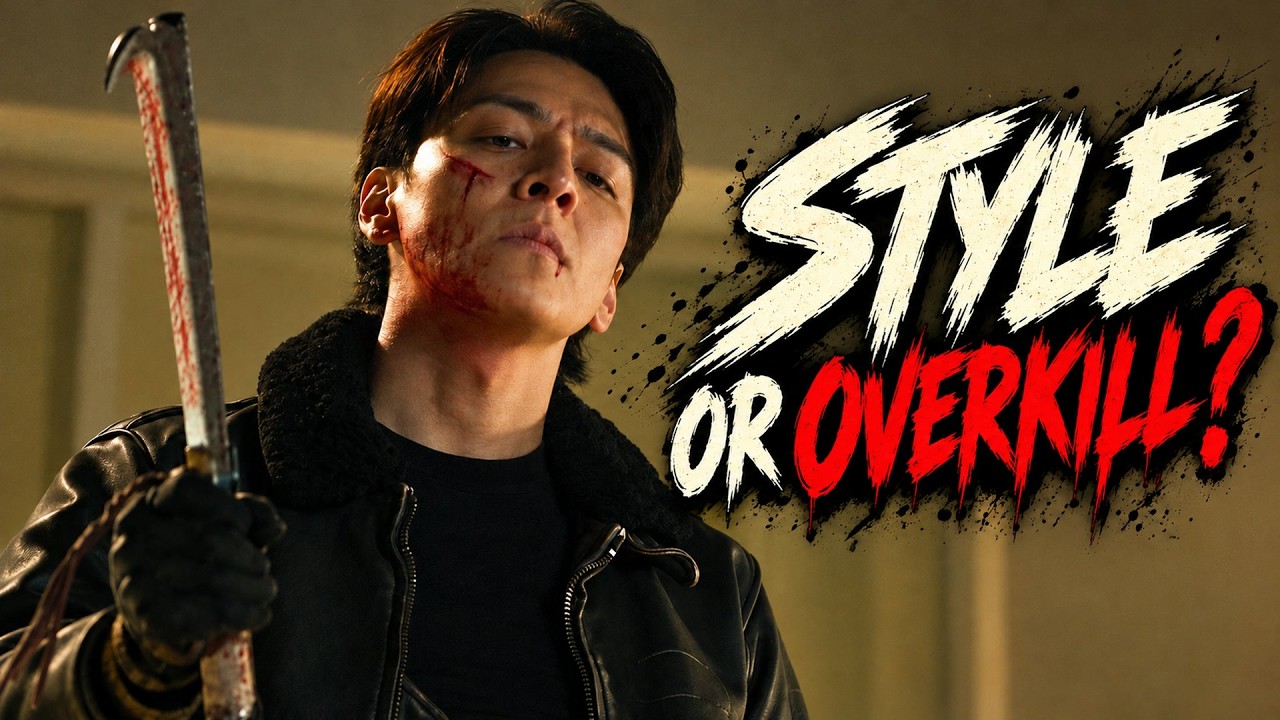
Demon City puts words behind physical force. After a devastating attack on his family and years in a coma, hitman Shuhei Sakata begins a brutal campaign against the people responsible. Seiji Tanaka builds the revenge film around movement, atmosphere and uncompromising violence.
Toma Ikuta gives Sakata a striking intensity. He communicates through looks and bodily effort more than dialogue. The antagonists' demon masks make the city feel threatening and almost nightmarish, even when the underlying story remains a familiar criminal power struggle.
The action is the main attraction. Extended shots and clear choreography allow the exertion to register rather than burying it beneath restless cutting. One particularly striking sequence pits Sakata against overwhelming opposition in a narrow alley, armed only with a rusty knife. Such close confrontations give his revenge its physical force, though the violence leaves little room for relief.
That concentration has limits. Sakata is often closer to an unstoppable mechanism than a deeply examined person. His enemies have memorable masks but little complexity behind them. Viewers expecting a sustained moral investigation of vengeance will find less than the imagery might promise.
Spoilers: detailed discussionContains story spoilers. Open deliberately.
Revenge across generations
Sakata’s daughter Ryo takes up his campaign of revenge. That continuation makes the ending more than a resolution of his own story: violence is handed on to another generation. The question is whether she can break the cycle or is moving towards the same fate.
Her final continuation of that mission can suggest both a transformation and a new beginning. The future of Ryo and the city remains open, leaving the possibility of release alongside the persistence of vengeance.
Verdict
For fans of harsh action, Demon City offers a forceful and atmospheric experience. It is not a complex narrative, but its visual confidence and Ikuta's presence make the journey compelling on its chosen terms.