

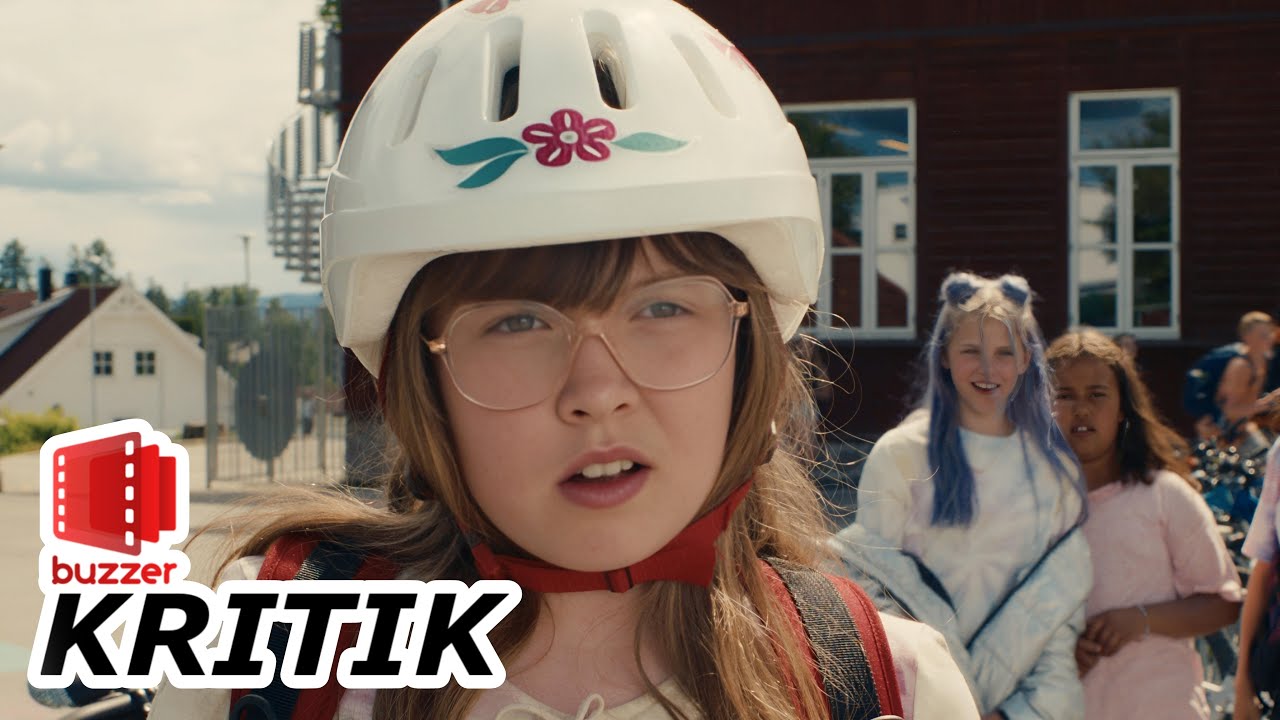
Dancing Queen follows twelve-year-old Mina into a dance group she hopes will bring her closer to a boy. Aurora Gossé uses that familiar coming-of-age situation to explore uncertainty, self-acceptance and the effort involved in trying something new.
Liv Elvira Kippersund Larsson gives Mina a natural, believable presence. The performance makes her doubts and developing confidence engaging without treating adolescence as a collection of exaggerated problems. The story remains close to a recognisable young person.
Anne Marit Jacobsen adds warmth and humour as the grandmother. Their relationship is one of the film's most appealing elements, connecting practical encouragement with a more personal kind of support. The family performances give the journey an emotional base.
The dance sequences provide strong visual energy. Movement becomes a way to show development as well as an entertaining attraction. The camera and lively music make those moments dynamic, drawing the viewer into Mina's changing world.
Some developments are predictable and familiar to the genre. Those conventions do not remove the enjoyment, but limit the film's capacity to surprise. The stronger interest lies in the warmth of the people and the clarity of the emotional journey.
Dancing Queen is worthwhile for viewers drawn to dance films and affectionate coming-of-age stories. It combines humour, heart and movement effectively, with an encouraging view of identity and self-belief. The familiar shape is carried by a convincing central performance and an appealing sense of connection.