

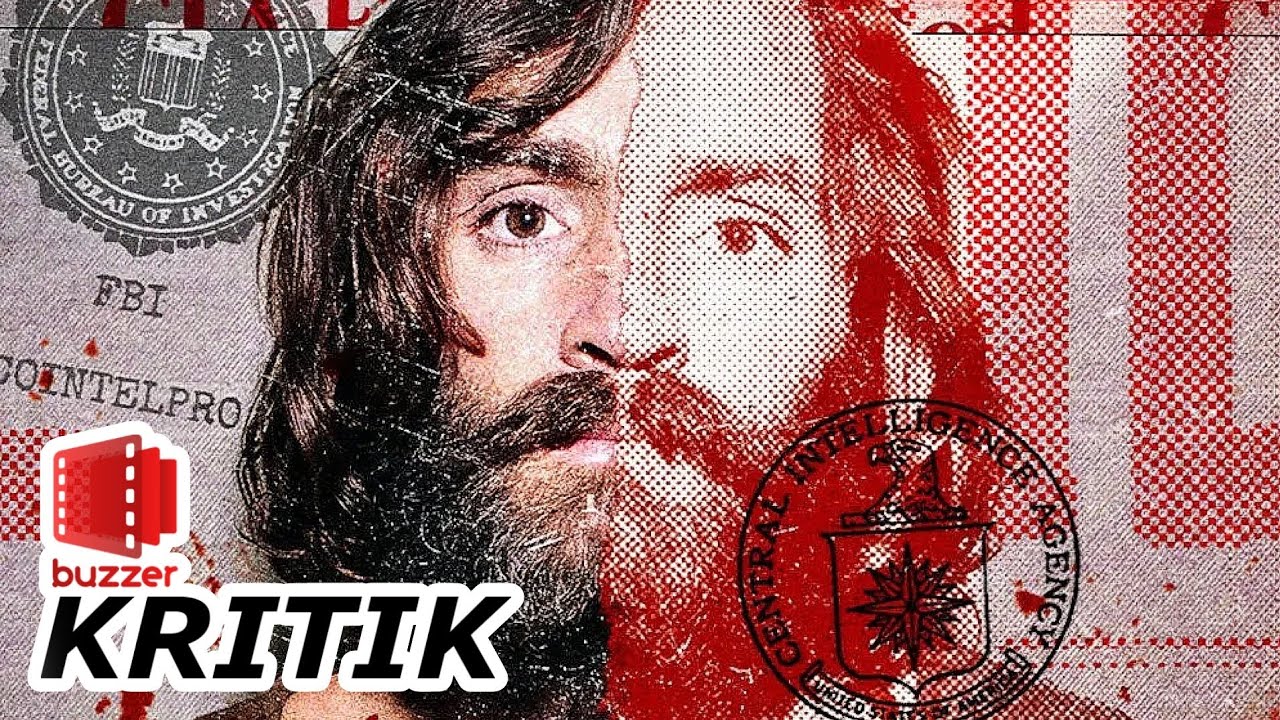
CHAOS: The Manson Murders revisits familiar events through the questions raised by journalist Tom O'Neill's long investigation. Errol Morris combines archive material and interviews to examine explanations that do not sit comfortably inside the established account.
O'Neill's questioning of official reports is central. Possible connections to government agencies and programmes such as MKUltra are presented as theories and lines of inquiry, rather than conclusively established explanations. The distinction matters: the film remains open in its conclusions.
Manson's musical ambitions and relationships with people in the music industry supply another strand. Interviews with figures connected to the crimes bring manipulation, control and responsibility into closer focus.
Morris's investigative approach allows conflicting voices and uncertainty to remain visible. Archive images, reconstruction and montage evoke the period's disturbing and surreal qualities. Those methods can also make the presentation confusing and distract from the material itself.
The documentary asks more than it answers. Some viewers may find that unsatisfying, and not every theory is equally persuasive. I nevertheless find its willingness to challenge a familiar narrative provocative and worth considering.
Its value is not that it supplies a definitive replacement story. It invites closer examination of a dark historical subject and the layers surrounding it. That can be thought-provoking without treating speculation as proof.