

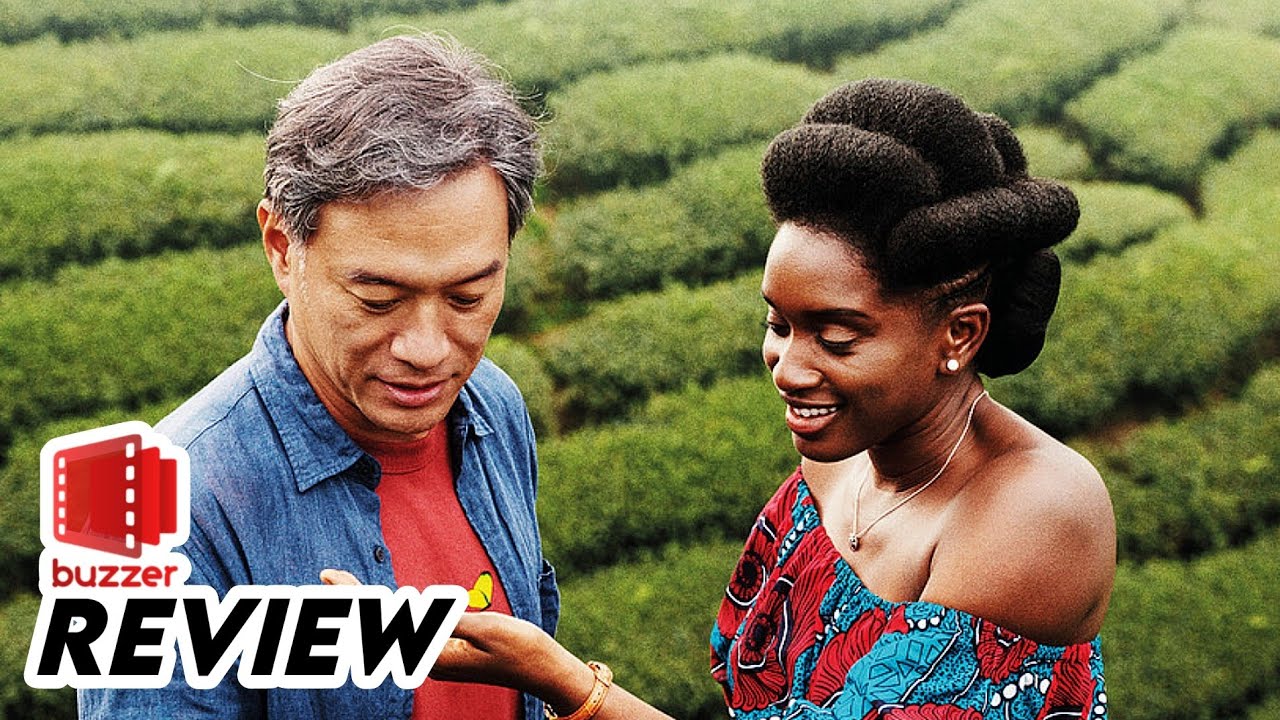
Black Tea follows Aya, a young woman who abandons her wedding in Côte d'Ivoire and starts another life in China. Her encounter with tea-shop owner Cai develops into a tentative relationship between two wounded people. The film is interested in the small ways intimacy grows rather than a conventional romantic plot.
Nina Mélo gives Aya strength and uncertainty without making her a martyr. Chang Han's quiet presence as Cai creates an understated chemistry with her. Their connection develops through looks, pauses and the ritual of tea, with little reliance on sentimentality.
Atmosphere is the film's great strength. Soft light, muted colours and carefully composed images feel meditative without becoming sterile. Armand Amar's music adds to that sensual quality without dominating it. The film invites us to feel its surroundings rather than simply follow events.
Its restraint also becomes a problem. Supporting characters and promising threads appear, then fade away. In the second half I wanted more focus and a clearer development of the relationships. Observation sometimes turns into stagnation rather than contemplation.
That does not make Black Tea a bad film. It has a distinctive character and quietly explores identity, loneliness and the emotional distance involved in migration. It asks for patience and does not reward viewers seeking tightly organised conflicts.
It is rather like a fine oolong: a particular taste, with rewards for those prepared to sit with it. I appreciate its images and subtleties more than its dramatic arc. A film for quieter days, even if its beautiful silence could use a little more movement.
Watch the film at home
As an Amazon Associate I earn from qualifying purchases. Using these links does not add to the price you pay.