

What lingers
Some horror movies are frightening because of what they show. These ten get worse when you finally understand what they are actually saying. Full spoilers ahead.
10. The Babadook
The monster is memorable, but the film becomes more disturbing once you stop treating it as a creature feature. Amelia is exhausted, isolated and still trapped inside the grief she never processed after her husband died on the day Samuel was born. The Babadook does not simply attack that broken household from outside. It gives shape to emotions Amelia is terrified to admit, including resentment toward her own son. That is why the film's last act matters more than any single scare. The ending is the key. The thing is not destroyed. It is kept in the basement, fed and managed. Grief does not disappear because you defeat it in one dramatic moment. You learn to live with it. That makes the monster much harder to leave inside the movie.
9. The Witch
Robert Eggers gives us a real witch, so the easy reading would be that supernatural evil destroys an innocent family. But the family is already doing an excellent job of destroying itself. William’s pride gets them banished. Katherine turns grief into suspicion. Caleb is drowning in guilt. Thomasin becomes the container for everyone else’s fear. Once you understand that, Black Phillip barely needs to push. The family’s rigid belief system creates exactly the isolation, shame and paranoia that make them vulnerable. Thomasin’s final choice is frightening, but it is also the first choice she is allowed to make for herself. That makes the supernatural layer feel less like an invasion and more like an opportunist arriving at the perfect moment. The horror is not only that the devil wins. It is that home has become so unbearable that his offer feels like freedom.
8. Funny Games
The two intruders are terrifying, but Michael Haneke is not mainly asking why they are violent. He keeps turning the question back on us. Paul looks into the camera, speaks to the audience and eventually treats the rules of the film itself as something he can control. The violence is often withheld while our anticipation keeps doing the work. Once that clicks, the movie becomes a trap. We want the family to escape, but we also want the film to keep entertaining us. Haneke refuses the satisfying revenge that would make the suffering feel justified. The more desperately we wait for the conventional thriller payoff, the more the film exposes the appetite that brought us there. Even the infamous disruption of cause and effect is there to deny us the release a normal thriller has trained us to expect. The audience is not guilty of the crimes, obviously. But the movie makes being a spectator feel uncomfortably active.
7. Speak No Evil
The original 2022 film is horrifying because almost every disaster arrives through a door Bjørn and Louise could have closed earlier. Their hosts test them with small violations first: uncomfortable behavior, crossed boundaries, things that are rude enough to matter but not dramatic enough to make leaving feel socially easy. The Danish couple keep choosing politeness over confrontation until the price becomes catastrophic. That is what makes the film nastier after you understand it. Patrick and Karin do not need supernatural powers. They need people who have been trained to doubt their own discomfort. The story exaggerates that weakness to an extreme, but the mechanism is horribly ordinary. Their method works because each previous surrender makes the next one easier to rationalize. The scariest part is not asking why the villains do what they do. It is recognizing how many warnings the victims explain away because they do not want to be impolite.
6. The Wailing
For most of The Wailing, everyone is desperate to identify the monster. The Japanese stranger looks suspicious, the shaman looks convincing, the mysterious woman seems impossible to read, and every new piece of information appears to settle the question before confusing it again. That uncertainty is not a flaw to solve. It is the point. Jong-goo is trying to save his daughter while fear, prejudice and desperation destroy his ability to judge what is actually happening. By the end, the fatal decision is made because he cannot tolerate uncertainty any longer. Once you understand the film as a story about belief rather than a puzzle with a neat answer key, it becomes crueler. The film keeps giving Jong-goo information, but never the certainty he wants, so fear fills the gaps faster than evidence can. Evil does not only attack this family. It benefits from the human need to decide quickly who looks trustworthy and who looks dangerous.
5. Pulse
In 2001, ghosts entering the world through computers sounded like technological horror. Today the idea feels much less quaint. Pulse is really about loneliness becoming contagious. Its characters have access to a tool that should connect people, yet the more the network expands, the emptier their physical world becomes. Rooms empty out. People disappear. Human contact starts to feel like a fading resource. The ghosts are frightening, but the bleakest idea is that technology does not create the isolation so much as reveal and accelerate something already inside society. Watching it now, after decades of lives increasingly mediated through screens, gives the film an extra layer it could not have fully possessed on release. That makes the red-taped rooms and empty city spaces feel less like supernatural set pieces and more like physical versions of emotional withdrawal. The apocalypse in Pulse is not loud. It is everyone slowly becoming unreachable.
4. Under the Skin
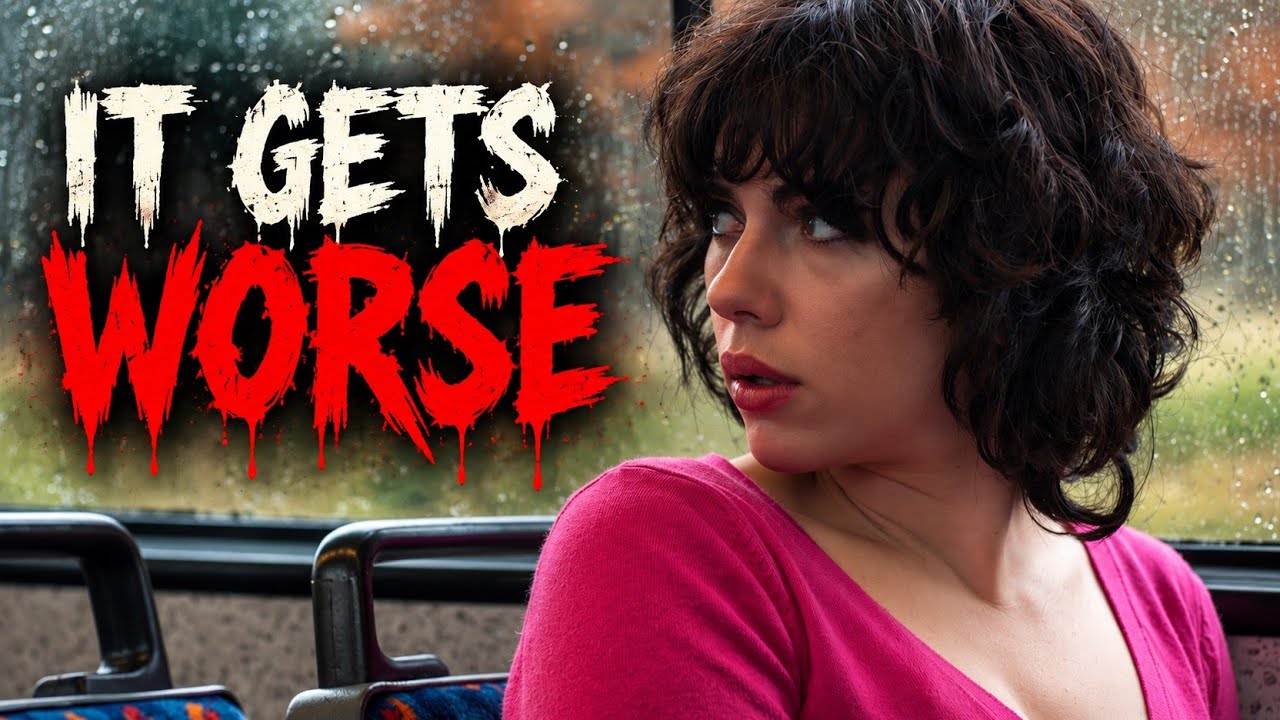
At first, Scarlett Johansson’s unnamed visitor seems like the predator and the men she collects are prey. Then the film gradually changes the direction of our empathy. She begins to observe human vulnerability, curiosity and kindness. She experiments with food, intimacy and the strange limits of the body she is wearing. The more human she becomes, the less safe she is. That is where the film turns from cold alien horror into something much sadder. The skin that once gave her power becomes a source of exposure, and the final encounter makes humanity look capable of tenderness and cruelty in the same world. Once you understand the film as the story of a being learning what it means to inhabit a vulnerable body, the title stops sounding abstract. Her growing empathy is beautiful precisely because the film refuses to reward it with safety. Becoming human is not her rescue. It is what finally allows her to be hurt.
3. Hereditary
The first time through, Hereditary can feel like a family collapsing under grief until the supernatural explanation erupts. On a second look, the truly disturbing part is how little control the Grahams ever had. Ellen’s connections, Joan’s sudden friendship, the symbols placed around the family, the people quietly present in the background and the ritual requirements all point toward a plan that began long before Annie understood she was inside one. Even the family’s worst choices become useful pieces for someone else. That does not erase their responsibility or their pain, but it changes the scale of the story. They are not simply cursed by bad luck. Their grief is being engineered and exploited. That is also why the miniature houses matter: Annie keeps arranging versions of her life while the real family is being arranged by someone else. The title becomes brutally literal: what this family inherits is not just trauma or illness, but a role in a design prepared by the generation before them.
2. The Vanishing
Rex believes that knowing what happened to Saskia will give him peace. Raymond understands the opposite. He realizes that Rex’s need for certainty is stronger than his instinct for self-preservation, and he patiently waits until curiosity becomes the perfect weapon. That is why the ending is so devastating. Raymond does not win because he is physically overwhelming. He wins because he understands the psychological rule that Rex cannot live with an unanswered question. Once you see the movie that way, it stops being only a kidnapping mystery. It becomes a story about the dangerous fantasy that knowledge always liberates us. Rex finally receives the complete answer he has spent years demanding, and the answer removes every possible future. Raymond turns an obsession with closure into a mechanism as precise as any physical lock. The truth does not set him free. It is the last part of the trap.
1. Cure
Cure begins like a serial-killer mystery, except the killers are ordinary people who barely understand why they committed the crimes. Mamiya appears to provide the missing explanation through hypnosis, but the film becomes far more disturbing if you stop treating him as someone who simply plants evil into innocent minds. He keeps asking people who they are. He strips away routine, identity and the stories they use to hold themselves together. The violence that follows can be read as something he releases rather than something he creates from nothing. That possibility contaminates the entire film. Takabe spends the story resisting Mamiya while carrying his own frustration, exhaustion and buried anger. By the final scenes, Kurosawa refuses to give us a clean boundary between influence and choice. That ambiguity is why the final restaurant moment is so unsettling: even after Mamiya is gone, the pattern may not be. The frightening question is no longer whether Mamiya can control people. It is whether his real power is showing them impulses that were already there.
Verdict
And that is what makes these films last. The scare ends. The idea does not.