

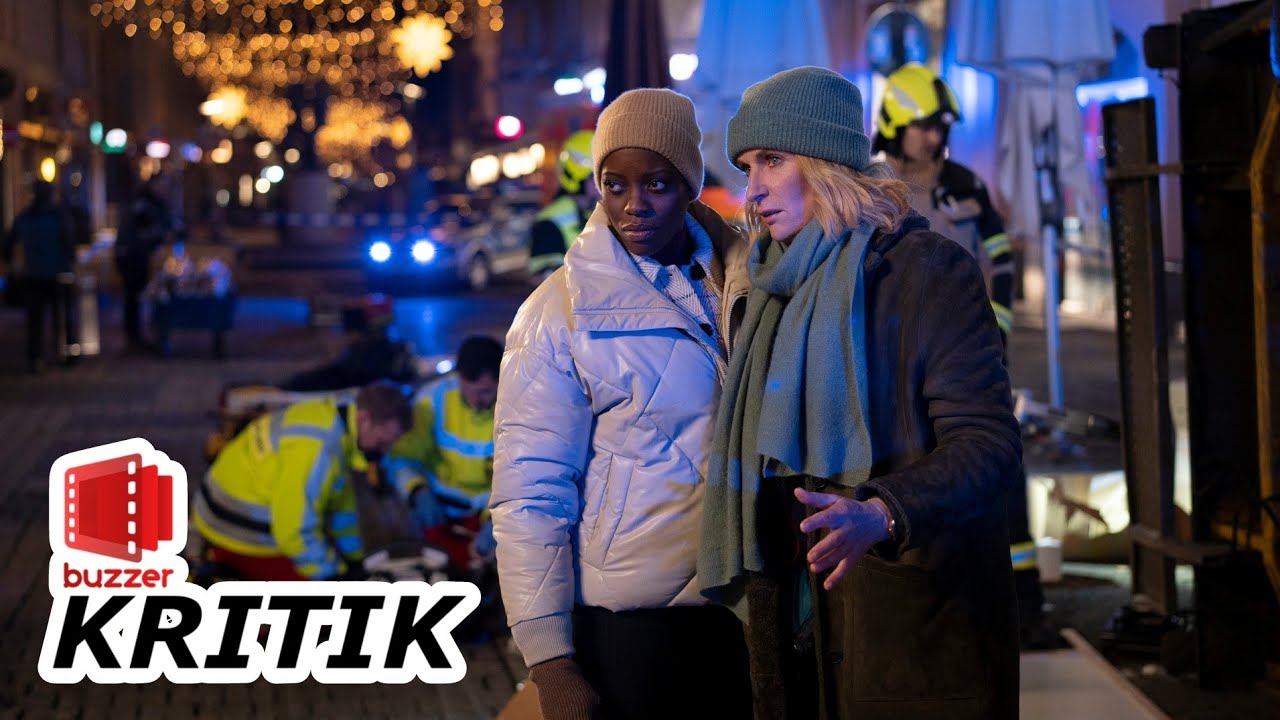
Tatort: Geisterfahrt combines an intricate crime story with intense performances and substantial themes. Göttingen provides the backdrop to a case caught between the shadows of the past and the problems of the present.
A case with social dimensions
Investigators Charlotte Lindholm and Anaïs Schmitz encounter domestic violence and the exploitation of parcel-delivery workers. Their investigation takes them through a maze of secrets and conflicts with both personal and social dimensions.
Lindholm and Schmitz
Lindholm and Schmitz are more than simply police officers here. Their personalities and complicated relationship give the story intensity. Lindholm, often a lone wolf, brings a human dimension through her internal struggles and desire for belonging. Schmitz embodies strength and persistence while facing difficulties of her own.
Two compelling performances
Maria Furtwängler and Florence Kasumba excel in their roles, giving the characters depth and credibility. Their ability to express subtle changes in their characters makes the scenes compelling.
Problems behind an ordinary façade
The screenplay handles its difficult subjects effectively. It examines how violence and exploitation can sit beneath an apparently ordinary social surface, creating empathy and prompting reflection. These concerns give the investigation weight beyond the solution to the case.
Christine Hartmann’s direction
Christine Hartmann’s direction deserves particular recognition. She creates an atmosphere that draws viewers into the story. The cinematography, music and carefully developed dialogue all contribute to the experience.
Verdict
Geisterfahrt is an impressive example of a crime drama that can entertain while addressing substantial themes. It grips, encourages reflection and keeps its hold until the final moments. A clear recommendation for viewers who want their crime stories to have emotional and social depth.