

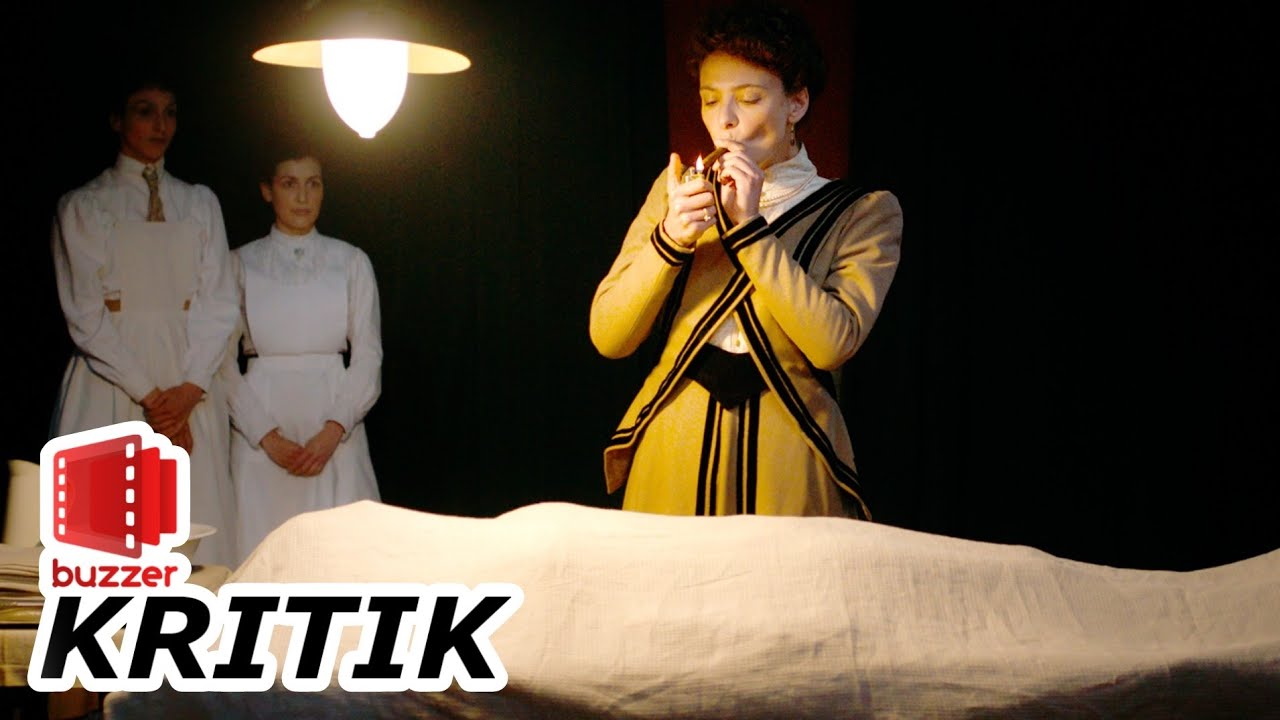
Léa Todorov’s Maria Montessori is an affecting drama about a woman whose strength and internal conflicts helped shape an influential educational movement. The film opened in Germany on March 7, 2024.
A doctor challenging the expectations of her time
Set in Italy around 1900, it follows Montessori, played by Jasmine Trinca, through difficult choices involving her professional work and motherhood. As one of Italy’s first female doctors, she challenges the expectations placed on women while developing a different way of thinking about children and learning.
Learning through freedom and care
The story connects her work with the painful experience of separation from her son. Its emphasis is on freedom, care and allowing children to discover capabilities that a restrictive system might overlook. Education becomes a question of recognising potential rather than simply enforcing discipline.
Female solidarity
The encounter with Lili d’Alengy, played by Leïla Bekhti, adds another perspective. Their connection creates a network of female solidarity. It offers the women a measure of independence while supporting an approach to education that respects the autonomy of the mind.
Colour and visual elegance
Bright colours and considerable visual elegance give the story an expressive quality. The film presents a strong, intelligent woman whose determination challenges the conventions of her society. Its emotional appeal is closely tied to that combination of personal vulnerability and a clear vision of change.
Verdict
Maria Montessori is a tribute to a woman who dared to oppose the expectations of her time. For viewers interested in education, history and inspiring lives, it is a strong recommendation. Its central idea, that learning can help change the world, gives the film a lasting warmth.